

Best Shoes for the Gym 2026: The Ultimate Pro-Performance Checklist
Are your cushioned running shoes secretly killing your squat gains? If you're lifting in squishy foam, you're bleeding power and risking injury with every rep. Stop settling for less! Finding the best shoes for weight training is the difference between a frustrating plateau and a massive new personal best. You've felt that shaky ankle instability during heavy sets. You've dealt with compressed soles that suck the energy right out of your drive. It's time to demand more from your gear!
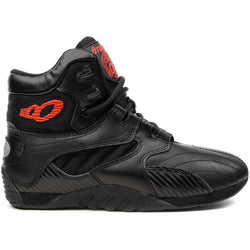
We know you're tired of poor grip and zero floor feel. You want professional-grade durability that stands up to the daily grind. This article promises to help you master your footwear choices with an expert-led checklist designed to maximize stability and explosive power. We'll preview the 2026 essentials, including the thin-sole tech of the Stingray Performance and the lockdown support of the Extreme Trainer. Get the facts on heel-to-toe drops and specialized high-tops. Your path to total floor dominance starts right here!
Key Takeaways
- Ditch the marshmallows! Learn why squishy soles kill your power and how to identify the best shoes for weight training to reclaim your strength.
- Master the 5-point checklist for elite traction and zero-drop stability to keep your center of gravity exactly where it belongs!
- Stop sacrificing your ankles. Discover why high-top designs are the gold standard for heavy squats and maximum muscle growth.
- Choose specialized performance over generic cross-trainers to ensure every rep translates into serious gains!
- Get the insider edge with professional-grade gear like the Stingray Performance, built specifically for the world's most elite athletes!
Stop Wasting Reps: Why Your Current Sneakers Are Holding You Back
Stop settling for mediocrity in your training. You spend hours in the gym pushing your limits, yet you're likely sabotaging every set with the wrong footwear. Running shoes are for the track, not the platform! The best shoes for weight training function as high-performance tools, not just comfortable sneakers. They are designed to facilitate total force transfer and rock-solid stability. If you're lifting in squishy foam, you're essentially trying to build a house on a foundation of sand.
When you load up a heavy squat, your running shoes experience the "Marshmallow Effect." The thick foam midsoles compress under the weight, causing your feet to tilt and wobble. This instability creates massive "energy leaks." Instead of that power driving the bar upward, it dissipates as your body struggles to find balance. You aren't just losing power; you're losing the direct link between foot stability and maximum muscle recruitment. Your brain won't allow your muscles to fire at 100% capacity if it senses your base is unstable. You need gear that locks you to the floor.
The Danger of Cushioned Soles
Soft foam creates a shifting, unpredictable base. This is a recipe for disaster. High-stack heights in modern athletic shoes significantly increase the risk of ankle rolls when you're under a heavy load. You need a "dead" sole that offers zero compression. This provides the immediate feedback your central nervous system needs to coordinate complex movements. While some athletes prefer the rigid, elevated heel found in Olympic weightlifting shoes, many elite bodybuilders demand an ultra-thin sole to maximize their connection to the gym floor. Feedback is everything when gains are on the line!
Anatomy of a Power Leak
Efficiency is the key to massive gains. In compound movements like deadlifts and overhead presses, force must travel from the floor through your feet and directly to the bar. Any squish in your shoe acts like a shock absorber, stealing your momentum. To dominate your next session, look for these non-negotiable features:
- Zero Compression: Flat, hard soles ensure that every ounce of effort moves the weight.
- Wide Toe Box: You must be able to "splay" your toes to create a broad, stable tripod for balance.
- Superior Grip: Specialized rubber patterns prevent slipping, allowing you to focus entirely on the lift.
Choosing the best shoes for weight training means eliminating these leaks once and for all. Your footwear should be an extension of your body, providing the professional-grade durability and stability required for world-class performance. Stop wasting your reps and start dominating the floor! It's time to upgrade your foundation.
The Pro-Athlete Checklist: 5 Essentials for the Best Shoes for the Gym
Stop guessing. Start winning. You need a checklist that separates professional gear from mall-grade trash. If you want elite results, you need elite specs! Use this checklist to identify the best shoes for weight training before you drop a single dollar. Every detail matters when you're pushing for a new personal best.
- Zero-Drop or Low-Profile Soles: Keep your center of gravity exactly where it belongs. While the average weightlifting shoe in 2026 has a heel-to-toe drop of 11.75 mm, many bodybuilders prefer a zero-drop profile for maximum floor contact and balance.
- Unbeatable Traction: Demand gum rubber or specialized grip patterns. Sliding mid-set is a death sentence for your progress! You need a death-grip on the gym floor.
- Upper Durability: Choose high-quality synthetics or premium leather. You need material that won't stretch or tear during heavy lateral movements. Durability is non-negotiable.
- Ankle Lockdown: Your shoes must prevent internal and external rotation. If your foot moves inside the shoe under load, you're losing power and risking injury.
- Breathability: High-intensity bodybuilding sessions generate massive heat. Look for mesh panels or perforated materials to keep your feet cool.
Sole Geometry and Floor Feel
Elite performance requires "ground feel." This isn't just a buzzword. It's the ability of your central nervous system to sense the floor through your feet. Thin soles improve proprioception during heavy sets, letting you make micro-adjustments in real-time. Don't confuse "flat" with "dead." A flat sole might still be thick and squishy. A "dead" sole is rigid and non-compressible. It's the only way to ensure your force goes into the bar. For the ultimate in professional-grade stability, check out the specialized training shoes designed for the world's most intense athletes.
Lockdown and Lateral Support
Your lacing system is your first line of defense against foot slide. A high-performance gym shoe needs reinforced heel cups to anchor your foot in place. Test for lateral stability by trying to push your foot through the side of the shoe. If it gives, put it back on the shelf! You need a locked-in feel that supports your every move. The best shoes for weight training provide a literal cage for your foot, ensuring total control during every rep.
Serious practitioners don't settle for "okay." They demand the best. Use these five essentials to audit your current gear. If your shoes don't check every box, you're leaving gains on the table. It's time to upgrade your arsenal and dominate the gym floor!
Don't stop at your footwear. To reach elite status, you need an elite environment like Arete Gyms, where specialist strength and conditioning meets expert personal training for ultimate body transformations.
Stability vs. Cushioning: Decoding the Best Shoes for Weight Training
Stop falling for the "Jack of All Trades" trap! Most gym-goers think a generic cross-trainer is enough. They're wrong. If you're serious about your gains, a shoe that tries to do everything actually does nothing well. Cross-trainers are designed for versatility, which means they include thick cushioning for running and jumping. That "squish" is a performance killer for heavy lifters! When searching for the best shoes for weight training, you must choose a side. Do you want to run a 5k, or do you want to dominate the squat rack? You can't do both in the same footwear!
The science of compression is simple. Any material that yields under pressure steals your power. In a high-intensity bodybuilding session, you need a base that refuses to budge. While CrossFit athletes need a compromise to handle box jumps and sprints, pure strength athletes demand absolute rigidity. This is why professional bodybuilders consistently choose thin-soled high-tops over "modern," over-engineered trainers. They know that a direct connection to the floor is the only way to maximize force production and muscle fiber recruitment. Don't let a "comfortable" shoe rob you of your next PR!
Why Weight Training Demands Rigidity
A rigid base is your secret weapon for better squat depth and explosive power. When your shoe is stiff, it forces your body to find stability through proper mechanics rather than relying on foam. This stiffness isn't just about safety; it's about force production. Every pound of pressure you push into the floor should go straight into the barbell. If your sole compresses even a few millimeters, you've lost that energy. For heavy compound lifts, a dedicated weightlifting shoe or a professional-grade flat trainer is non-negotiable. Get the gear that matches your ambition!
Tactile Feedback and the Mind-Muscle Connection
Tactile feedback is the missing link in your training. Thin-soled shoes, like the Stingray Performance, allow you to feel your weight distribution across your entire foot. This "floor feel" is essential for correcting form mid-rep. If your weight shifts to your toes during a deadlift, you'll feel it instantly. This level of communication between your feet and your brain leads to better proprioception and laser-focused muscle recruitment. Modern trainers often use heavy, clunky materials that dull this sensation. Just as elite athletes might turn to 2XU to gain an engineering advantage through technical apparel, switching to ultra-lightweight, specialized footwear will sharpen your agility and focus. The best shoes for weight training don't just protect your feet; they amplify your senses!
Similarly, for those who demand the same level of scientific engineering in their aquatic apparel, Ocean Motion Wear offers performance-driven solutions designed for maximum efficiency and protection in the water.

High-Tops or Low-Tops? Choosing Your Ideal Training Silhouette
Don't leave your ankles exposed! Your choice of silhouette dictates your performance ceiling. For serious practitioners, the debate between high-tops and low-tops isn't about gym fashion. It's about mechanical advantage. High-tops are the gold standard for bodybuilding and heavy squats! They offer a level of security that low-profile trainers simply can't match. When you're searching for the best shoes for weight training, you must decide: maximum support or maximum mobility? The wrong choice means a blown set or a blown joint!
The ankle brace effect is a safety staple in pro gyms. High-tops function like a secondary ligament system. They wrap the joint and prevent the micro-shifts that lead to injury. This is non-negotiable when you're under a heavy bar! Beyond the physics, the aesthetic appeal is undeniable. The classic bodybuilding silhouette screams professional-grade intensity. It's the look of the golden era updated for 2026 performance standards. You don't just lift better. You look like you mean business!
The Case for High-Top Gym Shoes
High-tops are essential for heavy leg days! They provide direct support to the subtalar joint. This is the primary site of ankle instability during deep squats. By stabilizing this joint, you ensure knees and hips stay in perfect alignment. This isn't just about safety. It's about efficiency! When your ankle is secure, your body focuses entirely on driving the weight up. The Extreme Trainer is built for this exact purpose, offering maximum ankle stability for the heaviest pulls. It's the ultimate professional-grade silhouette for serious muscle growth. Ready to feel the difference? Shop the elite high-top collection today!
When to Stick with Low-Tops
Mobility is the priority for specific movements. Deep lunges require extreme ankle flexion. Low-tops offer that freedom! They allow for a full range of motion without restriction. Low-profile designs also excel at heat dissipation. They keep your feet cooler during high-rep sets. If high-tops feel too restrictive, look for mid-top trainers. They provide a balanced middle ground. More support than a low-top. More mobility than a high-top. But for pure strength and stability, the best shoes for weight training will almost always feature that classic high-top build. Choose your weapon! Dominate your next session!
Dominate the Floor with Otomix: Professional-Grade Footwear for Serious Gains
The search for the ultimate foundation ends here. Since 1989, Otomix has been the undisputed leader in high-performance gym footwear. We don't make running shoes. We don't make fashion sneakers. We engineer specialized tools for the world's most elite athletes! When you step into a pair of Otomix, you're stepping into a legacy of iron and excellence. This is the "insider" choice for practitioners who value action over theory. If you want to claim your spot at the top, you need the best shoes for weight training on your feet!
Our lineup is built for specific, brutal demands. The Stingray Performance remains the thin-sole king of the bodybuilding world, providing an unbeatable connection to the floor. For those who crush every workout with high-intensity variety, the Ultimate Trainer offers the perfect balance of versatility and power. When the weight gets dangerously heavy, the Extreme Trainer steps in. It provides maximum stability and ankle lockdown for your most intense, bone-crushing sets. Don't settle for generic gear when professional-grade performance is within reach!
Engineered for the Elite
Performance is in the details. The Stingray Performance Bodybuilding Weightlifting Workout Gym Shoes utilize specialized, ultra-lightweight synthetic materials and premium suede to provide a glove-like fit. This design isn't just about comfort; it's about eliminating internal foot slide. The hallmark thin-sole technology ensures these are the best shoes for weight training for those who demand total floor control and immediate tactile feedback. Professional bodybuilders choose Otomix because mainstream brands design for the masses while Otomix engineers exclusively for the specialized, high-intensity demands of the elite strength athlete. It's time to join the ranks of the best!
Your Next Step to a PR
Choosing your model is easy. If you want the most tactile "barefoot" feel for deadlifts and rows, the Stingray is your weapon. If your training involves heavy squats and you require maximum subtalar support, the Extreme Trainer is the non-negotiable choice. For the athlete who does it all, the Ultimate Trainer delivers. Every Otomix shoe offers a massive durability advantage over standard gym shoes. They're built to survive years of abuse on the platform! Stop compromising your lifts with inferior footwear. Upgrade your gear, secure your foundation, and dominate the floor today! Your next personal best is waiting.
Claim Your Spot at the Top!
The evidence is clear. You can't build a massive physique on a shaky foundation. Stop sabotaging your progress with cushioned running shoes that drain your power! To secure the best shoes for weight training, you must demand zero-drop stability and non-compressible soles. Remember the checklist: prioritize floor feel, lock down your ankles, and never settle for generic cross-trainers. Your performance depends on the gear that connects you to the iron!
This level of precision shouldn't stop at your feet; for those who demand the same reliability in their everyday carry equipment, hoftac.com offers innovative universal-fit holsters designed for ultimate security.
Otomix has been the definitive "insider" choice trusted by pro bodybuilders since 1989. Our legendary thin-sole technology delivers maximum floor feel while our high-top designs provide superior ankle support for your heaviest sets. Don't leave your gains to chance. It's time to upgrade your arsenal and feel the difference that professional-grade engineering makes under a heavy bar!
Crush Your Next PR with Otomix Professional Gym Shoes!
You've got the drive. Now get the foundation you deserve. Step onto the platform with confidence and dominate your next session!
Frequently Asked Questions
Are high-top shoes better for lifting weights?
High-top shoes are superior for heavy lifting because they provide essential lateral support. They lock the subtalar joint in place, preventing the micro-shifts that lead to instability. This "ankle brace" effect is a staple in professional bodybuilding. While low-tops offer mobility, high-tops like the Extreme Trainer ensure your foundation is rock-solid during max-effort sets. Don't risk an ankle roll when you're under heavy iron!
Can I use running shoes for weight training?
Never lift in running shoes! The thick foam midsoles compress under load, creating a dangerous "Marshmallow Effect." This instability causes massive power leaks and increases your injury risk. Finding the best shoes for weight training means choosing a non-compressible, rigid sole. Running shoes are for the track. Specialized, flat trainers are for the platform. Stop bleeding power and switch to professional-grade gear today!
What are the best shoes for the gym if I have flat feet?
Athletes with flat feet need a wide toe box and a stable, flat base. Look for shoes that allow your toes to splay naturally for maximum balance. Avoid generic trainers with flimsy arch supports that collapse under heavy weight. A rigid, thin-sole design provides the best ground feedback. This ensures your entire foot maintains contact with the floor, creating a powerful, stable tripod for every lift.
Why do bodybuilders wear thin-soled shoes?
Thin-soled shoes are the secret to elite proprioception and "floor feel." Bodybuilders demand these designs to lower their center of gravity and maximize total stability. A thin sole like the one on the Stingray Performance provides immediate tactile feedback. This allows you to make split-second form corrections mid-rep. It is about the direct connection between your brain and the floor. No foam, no fluff, just results!
Do I need different shoes for squats and deadlifts?
You don't necessarily need two pairs, but your choice of sole matters. Deadlifts require a zero-drop, ultra-thin sole to minimize the distance the bar travels. Squats benefit from that same flat base to ensure force transfer. Many pros use the Ultimate Trainer as a versatile solution for both movements. The key is zero compression. If your sole does not squish, you are ready to dominate both lifts in one pair!
How should gym shoes fit for maximum performance?
Your gym shoes must fit like a second skin. A snug fit is essential to prevent internal foot slide during heavy, explosive movements. Your heel should be locked firmly into the cup with zero lifting or shifting. Ensure there is enough room in the toe box to splay your feet, but the midfoot must be secured. If your foot moves inside the shoe, you are losing stability. Secure the lockdown for maximum gains!
Are boxing shoes good for weightlifting?
Boxing shoes are a common gym hack because of their flat soles, but they often lack the durability for heavy lifting. They are designed for the ring, not abrasive gym floors. The best shoes for weight training offer reinforced uppers and superior lateral support that boxing boots cannot provide. Stick to gear engineered for the iron. Otomix trainers give you that classic silhouette with the professional-grade strength required for heavy sets!
How often should I replace my gym shoes?
Replace your shoes the moment you notice a loss in traction or upper support. Even professional gear eventually wears down under the stress of heavy lifting. If the material stretches and your foot starts to slide, your safety is at risk. Professional-grade shoes offer superior durability, but daily grinders should inspect their gear every six to twelve months. Don't wait for a failure. Stay ahead of the wear and keep your platform secure!


