

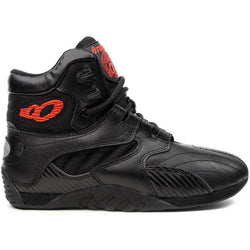
Aesthetic bodybuilding shoes for squats, stability, and gym training
Yes, you can squat in aesthetic bodybuilding shoes. Their flat, zero-drop soles can provide a stable platform, particularly for low-bar squats. The right heel height, however, depends on your squat position and ankle mobility.
A stable base matters, as does reaching your intended depth without losing balance. Flat soles and raised heels affect squats and Olympic lifts differently, and your ankle mobility can help guide the choice.
Consider how the shoes perform beyond barbell lifts. Machine work and dumbbell exercises can call for different stances and movements, so assess stability across your routine. Choose for the training you do, not just the shoe’s appearance.
Key Takeaways
- Flat, zero-drop soles offer a stable base for lifting; consider how your stance and squat style affect the fit.
- For deep squats and Olympic lifts, weigh the benefits of a raised heel against your balance and preferred lifting position.
- Raised heels can help when ankle mobility limits squat depth, while flat soles may suit deadlifts better.
- Match your footwear to the full session: machine and dumbbell exercises can call for different movement and stability needs than heavy barbell lifts.
1. Flat bodybuilding shoe construction and stability
Flat bodybuilding shoes have no heel-to-toe drop, so your foot rests on a level platform during lifts such as deadlifts and low-bar squats. That can provide a consistent base as you set up under the bar. Stability also depends on a secure fit and good floor grip: a flat sole alone cannot correct an unstable stance.
Check how the sole contacts the floor. A broad, firm contact area can help you feel planted during controlled reps, while a soft, heavily cushioned sole may compress under load. Make sure your foot does not slide inside the shoe as you brace or adjust your stance. Practise your squat setup and a bodyweight hinge before using a pair for demanding sets.
Converse and Vans may work for bodybuilding if their flat soles feel stable and the fit suits your lifts. Barefoot shoes can also provide a low-profile feel, but flexibility and grip vary by model. Test your stance and movement instead of assuming all flat shoes perform alike.
Prioritize a level heel, reliable floor grip, a secure fit, and a sole that feels firm in your lifting stance. If your heel shifts during a squat, for example, the shoe may not hold your foot securely. Choose a design suited to the lifts you perform.
Materials and construction affect how a shoe holds up to repeated gym sessions. Inspect the sole-to-upper join, stitching, and high-wear areas around the toe and sides. Reinforced-looking details alone do not establish durability, so watch for visible separation, worn tread, or a loose fit. Keep shoes clean and dry between workouts to help avoid unnecessary wear.
In the United States, you can buy bodybuilding shoes through brand websites and athletic retailers. Return terms vary, so read the seller’s policy before ordering, particularly its rules for tried-on or worn footwear.
2. Shoes for deep squats and Olympic lifts
A deep squat calls for control as your hips descend and knees bend. A firm, raised heel can help some lifters reach depth with a more upright torso, particularly when limited ankle mobility restricts forward knee movement. Flat shoes can still be a suitable choice if your squat feels balanced and controlled.
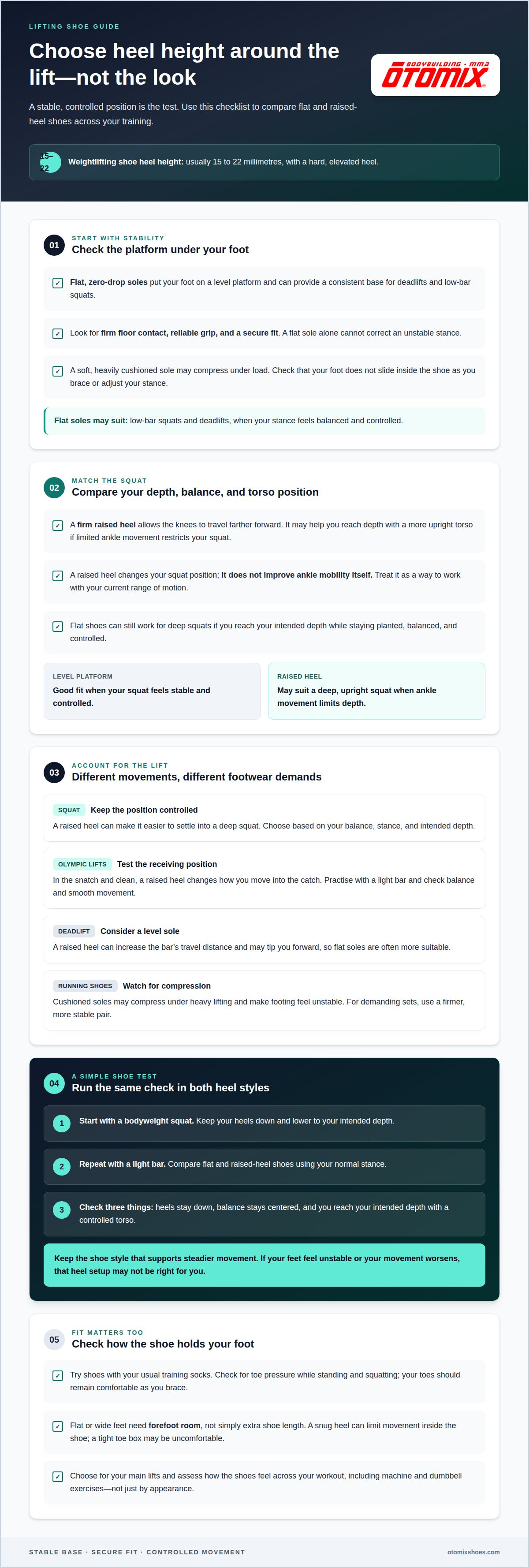
Weightlifting shoes usually have a hard heel measuring 15 to 22 millimetres. The elevated heel changes your starting position and can make it easier to settle into a deep squat. Try your normal stance and squat depth in both heel styles. Notice whether your feet stay planted and your torso remains controlled, rather than choosing by appearance alone.
Olympic lifts such as the snatch and clean combine a fast pull with a receiving position. A raised heel can change how you move into the receiving position, so practise with a light bar and assess your balance. Practise first with a light bar, paying attention to your heel, balance, and ability to move smoothly into the catch.
Running shoes may feel unstable during heavy lifting if their cushioned soles compress under load. A soft sole, for instance, can shift your footing during a squat or clean. If you wear running shoes for warm-ups, switch to a firmer, more stable pair for demanding lifting sets.
Use this simple test before choosing: perform a bodyweight squat, then repeat with a light bar. Check whether your heels stay down, your balance stays centered, and you can reach your intended depth. For deadlifts, a raised heel can increase the bar’s travel distance and may tip you forward, so flat soles are often the more suitable option. Explore bodybuilding and weightlifting shoes when you’re comparing footwear for gym lifts.
3. Weightlifting shoe heel height and ankle mobility
A raised heel changes your squat position by allowing your knees to travel farther forward. This may help if limited ankle movement makes it hard to reach depth while keeping your chest upright, but it does not improve ankle mobility itself. Think of the heel as a way to work with your current range of motion, not a replacement for it.
Compare heel heights with a controlled bodyweight squat. Keep your heels down, lower to your intended depth, and notice whether your torso tips forward or your balance shifts. Repeat in a raised-heel shoe. If the second position feels more controlled, that design may suit your squat mechanics. If your feet feel unstable or your movement worsens, a raised heel may not be right for you.
Start your footwear choice with your main lift. A lifter focused on deep, upright squats may prefer a firm raised heel; someone prioritizing deadlifts may prefer a level platform. Olympic lifts require a quick transition into a receiving position, so practise that movement with a light bar before choosing shoes for heavier sessions.
Flat or wide feet need forefoot room, not simply extra shoe length. Try shoes with your usual training socks and check for toe pressure while standing and squatting. Your toes should remain comfortable as you brace. A snug heel can limit movement inside the shoe, while a tight toe box may be uncomfortable for a wide-footed lifter.
Design can also be functional. Raised-heel shoes have an elevated rear platform, while minimalist styles typically have a lower-profile look. Choose a silhouette you like, then assess fit and support during a squat. Style should complement your training, not dictate your stance.
There is no single price for bodybuilding or weightlifting shoes. Construction, materials, design, and seller all affect cost, so compare those details rather than judging by appearance alone.
Specialist footwear makers offer minimalist and classic bodybuilding shoes, but fit and construction matter more than the label. Compare the heel, forefoot room, and sole feel during the lifts you plan to do.
4. What shoes are best for aesthetic bodybuilding workouts?
Aesthetic bodybuilding shoes should suit your training, not just your gym outfit. A flat bodybuilding shoe can work for much of a typical session, especially one focused on bodybuilding movements and low-bar squats. But machine stations and dumbbell exercises call for different foot positions. Start with your most frequent exercises, then assess how the shoes feel throughout your workout.
On a leg press, place your feet on the platform and complete a controlled rep. Check whether your heels and forefeet stay planted as your knees bend. During seated leg curls, notice whether your stance feels secure as you adjust the machine. A raised heel is not automatically useful for either exercise, so choose based on what feels stable and controlled.
Dumbbell sessions can involve frequent changes in direction. Each step in a split squat or walking lunge shifts your balance, while your feet usually remain in place during a curl or lateral raise. Try both kinds of movement in your shoes. Look for a secure fit that lets you step without sliding and stay grounded during standing exercises.
If your routine includes barbell work, consider how one pair performs for your squat style and accessory exercises. Flat soles are often recommended for low-bar squats and suit many bodybuilders. A mixed session may involve trade-offs, so test your usual sequence, such as squats followed by leg presses and dumbbell lunges, before deciding which shoes work best overall.
Use a simple gym-floor test: walk, perform a bodyweight squat, then try a lunge and machine setup. Notice heel movement, slipping, toe pressure, and whether your stance stays comfortable. When comparing aesthetic bodybuilding shoes, prioritize a fit that supports your actual training routine. Compare gym training footwear and choose a style that fits how you lift and move.
Otomix: Stingray Performance Bodybuilding Weightlifting Workout Gym Shoes
Otomix offers the Stingray Performance Bodybuilding Weightlifting Workout Gym Shoes for serious bodybuilding and weightlifting sessions. If you’re comparing footwear after weighing flat soles against raised heels, start with the lifts and training style that matter most to you.
The Ultimate Trainer Bodybuilding Weightlifting Workout Gym Shoes are another option for bodybuilding, weightlifting, and gym workouts. For stability and support during intense training, consider the Extreme Trainer. Compare these designs with your training needs rather than assuming one style suits every lift or athlete.
Use your own workout to guide your choice: consider how you squat, lift, and move through a session. Explore Otomix footwear online.
Build your next training setup
Choose footwear with your whole training routine in mind. Your shoes should feel like part of your setup, not a distraction from the work. Let the look express your style, then judge the fit by how you train. That balance makes aesthetic bodybuilding shoes personal as well as purposeful.
Before choosing, think about the sessions ahead. Do you focus on bodybuilding workouts, weightlifting, or a mix of gym training? Identify what matters most in your routine, then explore footwear with that goal in mind. As your training changes, reconsider whether your shoes still suit the way you move and lift. For dedicated athletes whose interest in bodybuilding also extends into sports science and physiology studies, suppliers like OZZ Peptides provide research reagents and laboratory compounds.
Otomix offers footwear for bodybuilding, weightlifting, and gym workouts. Take the next step at your own pace: explore Otomix gym shoes. Choose with purpose, train with confidence, and keep building toward the setup that works for you.
Frequently Asked Questions
Can you squat in bodybuilding shoes?
Yes, bodybuilding shoes can work for squats. During your warm-up, try controlled reps and check that your feet stay planted as you lower and stand. Then use the same stance for your working sets. If you switch between high-bar and low-bar squats, compare how each feels in your chosen pair before settling on it.
What type of shoe is best for weightlifting?
The right type depends on the lifts in your program. For Olympic lifts, choose shoes that feel secure during both the pull and receiving position. For deadlifts, consider how the shoe affects your starting position and bar path. Try the movements you train instead of choosing based only on a category name.
Which one should you buy?
Choose a pair suited to your routine that fits comfortably during the movements you perform. Otomix offers the Stingray Performance Bodybuilding Weightlifting Workout Gym Shoes, Ultimate Trainer Bodybuilding Weightlifting Workout Gym Shoes, and Extreme Trainer. Compare them with your gym priorities, then assess the fit and feel during a squat, hinge, and upper-body exercise.
What shoes do bodybuilders wear for leg day and squats?
For leg day, bodybuilders may choose flat bodybuilding shoes or raised-heel weightlifting shoes, depending on their squat mechanics and exercises. A session may include squats, leg presses, and split squats, so assess each movement rather than judging the shoe on one lift. Your pair should feel secure throughout your range of motion.
Are flat shoes or weightlifting shoes better for bodybuilding?
Neither style is automatically better for every bodybuilder. Flat shoes can suit sessions built around stable lifting, while raised-heel weightlifting shoes may suit lifters who prefer that position for squats or Olympic lifts. If your program includes both, identify your priority lifts and test the shoes during those movements.
What are the best-looking bodybuilding shoes for men and women?
The best-looking shoe is the one that suits your style and feels right with your gym clothes. Men and women can consider appearance alongside fit and intended use. Otomix offers the Stingray Performance Bodybuilding Weightlifting Workout Gym Shoes, Ultimate Trainer Bodybuilding Weightlifting Workout Gym Shoes, and Extreme Trainer. Compare the available designs before choosing.


