

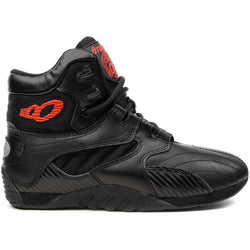
Best Flat Sole Lifting Shoes: The 2026 Strength Buyer’s Guide
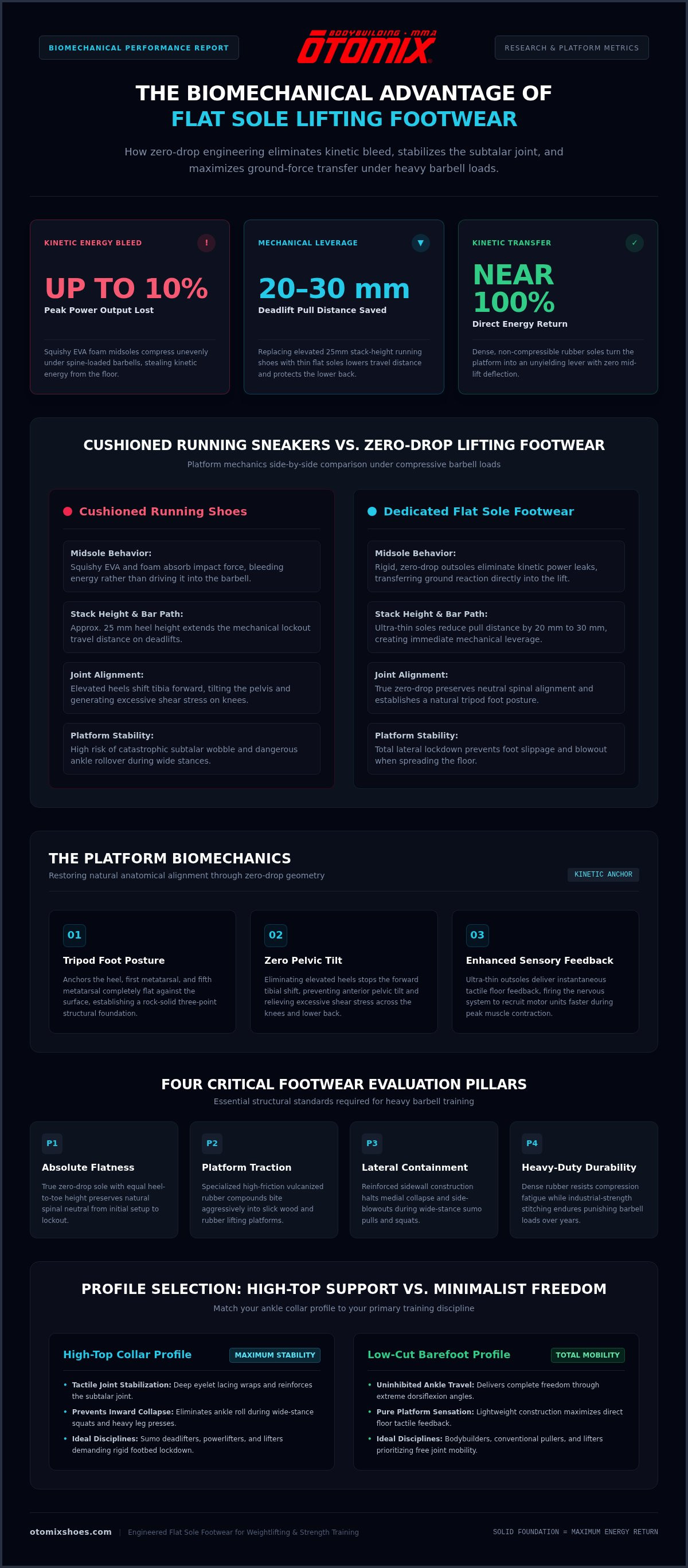
Cushioned running sneakers are quietly stealing up to 10% of your peak power output on heavy lifts! Biomechanical research proves that soft, compressible midsoles absorb force and trigger dangerous ankle rollover under heavy barbell loads. You know that frustrating sensation when your heels shift during a max deadlift or your balance wavers during a grinding squat. You need an unshakable foundation, not a squishy running shoe. Switching to dedicated flat sole lifting shoes eliminates wasted kinetic energy and locks your feet directly to the platform.
Discover how zero-drop engineering maximizes ground-force transfer, reduces mechanical pull distance, and unleashes immediate strength gains across your heaviest lifts. In this guide, we break down premier high-performance footwear, platform stability rules, and elite gear setups built to help you crush PRs throughout 2026. Stop bleeding power and build your strongest lifting foundation today!
Key Takeaways
- Stop kinetic energy leaks by switching to flat sole lifting shoes that eliminate squishy foam compression and lock your feet to the platform.
- Master the four critical evaluation pillars to select outsoles engineered for unyielding traction, lateral containment, and heavy barbell loads.
- Identify your optimal ankle profile by comparing rigid high-top support against minimalist barefoot designs for your specific lifting discipline.
- Maximize total lifting mechanics by pairing zero-drop footwear with unrestricted performance apparel built for complete range of motion.
Why Flat Sole Lifting Shoes Outperform Cushioned Running Sneakers
Stop squatting on sponges! Running shoes are engineered to absorb impact through squishy EVA and foam midsoles. That cushioning ruins heavy lifting. When you load hundreds of pounds onto your spine, that soft foam compresses unevenly, leaking force and destabilizing your base. Dedicated flat sole lifting shoes feature rigid, zero-drop outsoles that eliminate power leaks. Every ounce of kinetic energy you drive into the floor transfers straight into the barbell!
The Biomechanics of Zero-Drop Platform Contact
True stability starts at the platform. Modern research on minimalist zero-drop footwear highlights how removing elevated heels restores natural foot biomechanics. Elevating your heel shifts your tibia forward, tilting the pelvis and placing excessive shear stress on your knees. A completely flat sole locks in a tripod foot posture, anchoring your heel, first metatarsal, and fifth metatarsal evenly. Non-compressible lifting soles deliver immediate, near-total energy return by transforming the platform into an unyielding mechanical lever.
Why Deadlifts and Squats Demand Flat Soles
Every millimeter matters when maxing out. Running sneakers jack you up on a 25 mm stack height, adding unnecessary travel distance to your deadlift lockout. Switching to ultra-thin flat outsoles reduces pull distance by 20 mm to 30 mm, cutting mechanical work and saving your lower back! Soft running soles also cause catastrophic subtalar wobble during heavy squats. High-performance flat footwear delivers non-negotiable benefits on the platform:
- Zero kinetic bleed: Drive maximum ground-reaction force without midsole compression.
- Shorter bar path: Shave up to 30 mm off deadlift lockouts for immediate mechanical leverage.
- Total lateral lockdown: Eliminate ankle rollover risks under heavy compressive loads.
Essential Evaluation Criteria for Flat Sole Lifting Footwear
Do not trust your heaviest singles to lifestyle skate sneakers! Casual canvas shoes lack structural reinforcement, collapsing medially and blowing out at the seams when you spread the floor. Professional-grade flat sole lifting shoes demand deliberate engineering built around four non-negotiable performance pillars:
- Absolute Flatness: True zero-drop geometry preserves neutral spinal alignment from start to lockout.
- Platform Traction: High-friction rubber outsoles bite into slick wood and rubber lifting platforms.
- Lateral Containment: Reinforced sidewalls prevent foot slippage and blowout on wide-stance lifts.
- Heavy-Duty Durability: Industrial-strength stitching and materials endure punishing barbell loads.
Outsole Grip and Thinness vs. Durability
Feel the platform beneath you! Ultra-thin rubber outsoles deliver vital sensory feedback, signaling your nervous system to fire motor units rapidly. Standard athletic sneakers rely on slick synthetic blends that slide under tension. Dedicated lifting outsoles utilize specialized vulcanized rubber compounds that grip instantly. A dense, ultra-thin sole also resists compression fatigue, keeping your foot foundation rock-solid across years of grueling training sessions.
Ankle Stability: High-Top Collar vs. Low-Cut Mobility
Lock your ankles into position before stepping up to the bar. Low-cut designs provide full ankle mobility, but supportive high-top collars deliver unmatched tactile stabilization. This high-cut wrap reinforces the subtalar joint to stop ankle roll during wide-stance squats and heavy leg presses. Deep eyelet lacing locks your midfoot firmly against the footbed. Complete your platform setup by pairing locked-in footwear with functional gym tops that keep your upper body cool, unrestricted, and primed for heavy work!
Selecting Your Flat Sole Profile: High-Top Support vs. Minimalist Freedom
Match your footwear to your training style! Selecting the ideal flat sole lifting shoes comes down to balancing rigid ankle containment against uninhibited mobility. If your ankles collapse inward during heavy sumo pulls or wide squats, high-top reinforcement is essential. If you demand pure platform feedback, lightweight builds dominate. Choose the exact profile built for your discipline!
Matching Flat Shoes to Powerlifting and Bodybuilding Goals
Sumo deadlifters require uncompromising traction and sidewall containment. The legendary Stingray Performance delivers an ultra-thin, flat outsole that puts your feet in immediate contact with the floor. It bites aggressively into the platform, stopping outward slippage during maximal efforts. For dedicated powerlifters moving massive loads, the Extreme Trainer reinforces the subtalar joint with heavy-duty high-top padding. Lock your ankles, eliminate wobble, and pull with supreme confidence!
Foot Width and Upper Material Considerations
Pioneering specialized strength footwear since 1989, Otomix engineers shoes specifically to handle extreme axial loading without structural breakdown. Heavy barbell loads force your feet to expand. Footwear engineered with anatomical toe boxes enables full toe splay, expanding your contact area to generate massive hip torque. Supple leather and durable synthetic mesh balance rigid lateral containment with cooling airflow. For bodybuilders alternating between heavy hack squats, leg presses, and lunges, the Ultimate Trainer delivers an unbeatable hybrid blend of platform traction and structural support.
Upgrade your platform arsenal now! Lock in your lifting foundation and grab our elite performance gym tops to dominate your next PR today!
Pairing Flat Lifting Shoes with Functional Apparel for Maximum Mobility
Elite platform execution requires total kinetic synchronization from your feet to your shoulders! Locking your foundation with high-performance flat sole lifting shoes solves half the battle. Stiff, restrictive apparel creates friction, binding your lats and hips right when you need explosive power. Your gear must move with your body, never against it.
Upper-Body Freedom for Unrestricted Barbell Movement
Barbell placement demands uninhibited shoulder and thoracic mobility. Tight, binding shirts restrict scapular retraction during heavy low-bar squats and bench presses. Premium, ultra-flexible rayon and cotton blends drape effortlessly, giving your upper torso full clearance under the iron. Throw on the Tie-Dye Rain Tunic Top or the Classic Black Tunic Top for a breathable, non-restrictive cut that keeps you cool. If you crave an even roomier fit for max-effort training days, the Tie Dye Fusion Tunic eliminates fabric tension entirely.
Building Your Complete High-Performance Training Kit
Sync your entire kit for maximum results! Combine your flat sole lifting shoes with relaxed, flexible gym bottoms that grant full depth on wide-stance squats without bunching up. Keep heat down during grueling high-volume sets with the airy, lightweight cut of the Tie-Dye Tiger V-Neck Tee. Do not let cheap gear hold back your platform performance. Take action now to upgrade your gym apparel collection, unlock unstoppable platform power, and dominate every heavy set today!
Lock In Your Platform Foundation and Unleash True Lifting Power
Never let squishy running soles steal your hard-earned PRs again! Otomix pioneered professional bodybuilding footwear in 1989 to give serious lifters total dominance over heavy iron. Upgrading to authentic flat sole lifting shoes eliminates kinetic force leaks, reduces mechanical pull distance, and delivers unmatched high-top ankle stability trusted by world-class athletes. When you step onto the platform with ultra-thin flat rubber soles engineered for maximum platform grip, your feet anchor directly to the floor with unwavering authority.
Complete your platform arsenal by pairing your footwear with flexible activewear that eliminates torso binding on heavy squats. Explore our newest performance cuts and shop exclusive workout tops and apparel to elevate your training setup. Step up to the barbell with complete confidence, break your personal records, and dominate every heavy set today!
Frequently Asked Questions
Why are flat sole shoes better for deadlifts than running sneakers?
Switching to dedicated flat sole lifting shoes eliminates compressible foam that steals power and artificially increases your pull distance. Running midsoles deform unevenly under heavy barbell loads, creating dangerous platform instability and bleeding upward force. Flat outsoles anchor your feet directly against the lifting surface. This shorter bar path and unyielding contact let you recruit maximum posterior chain power to lock out heavier weights safely!
Can I use flat sole lifting shoes for squats and leg presses?
Yes, flat sole lifting shoes excel during squats and heavy leg press sets by creating an unshakeable base. Their non-compressible rubber outsoles distribute axial pressure evenly across your heels and forefoot, eliminating unwanted heel shift. This stable platform prevents energy loss into soft padding, helping you drive explosive force straight into the floor or footplate without ankle collapse.
What is the difference between zero-drop lifting shoes and Olympic weightlifting shoes?
Zero-drop lifting shoes keep your heel and forefoot at the exact same elevation for an authentic flat base. In contrast, Olympic weightlifting shoes feature an elevated solid heel designed to artificially boost ankle dorsiflexion for upright torso postures in snatches and cleans. Flat profiles are ideal for deadlifts and low-bar squats because they maximize posterior chain leverage without tilting your shins forward.
How tight should high-top flat sole lifting shoes fit around the ankle?
High-top models should fit snugly enough to brace your subtalar joint without cutting off circulation or pinching your Achilles tendon. You want firm lateral resistance that stops your ankles from rolling inward during wide-stance lifts. Lace them firmly through the collar before heavy attempts. Your foot should feel completely locked into the heel cup with zero internal slippage.
How do I care for and maintain flat sole gym shoes to preserve traction?
Keep your lifting shoes strictly inside the gym to prevent concrete and outdoor debris from wearing down the rubber grip. Wipe the outsoles with a damp microfiber cloth after intense sessions to remove gym chalk and dust buildup. Store them in a dry, ventilated gym bag away from direct heat to protect the adhesive bonding and maintain long-term platform bite!


