

Bodybuilding Shoes: The Elite Guide to Maximum Stability and Muscle Isolation
Your squishy running shoes are sabotaging your leg day every single time you step into the rack! Stop wasting high-intensity reps on footwear designed for pavement instead of iron. You've felt the frustration of ankle wobbling during heavy squats or losing grip during a max-effort leg press. It's time to stop the power leaks. Investing in dedicated bodybuilding shoes isn't just a style choice; it's a performance necessity for anyone serious about muscle isolation and total stability.
You work too hard to let compressed soles kill your power transfer. We agree that every inch of floor-to-muscle connection matters when you're chasing elite results. This guide breaks down how high-performance gear like the Stingray Performance and Ultimate Trainer provides the total ankle lockdown you need to crush your PRs. We will explore the specialized thin-sole technology and professional aesthetics that separate the legends from the amateurs. Get ready to transform your training foundation and dominate the gym floor!
Key Takeaways
- Identify why non-compressible, ultra-thin soles are the secret to immediate strength gains and superior muscle fiber recruitment.
- Discover why specialized bodybuilding shoes offer more versatility for isolation work than rigid Olympic lifting footwear.
- Master the selection process to find the perfect balance between high-top ankle lockdown and a bare-floor feel for heavy pulls.
- Learn why elite athletes choose the Stingray Performance and Ultimate Trainer to eliminate energy leaks during high-volume sessions.
- Lock down your form and secure a professional training aesthetic that matches your commitment to peak physical excellence.
What Are Bodybuilding Shoes and Why Do Running Shoes Kill Your Gains?
You are literally standing on a sponge. That $150 running shoe is a performance killer in the squat rack! Running shoes are designed to absorb impact; lifting requires you to generate it. Professional-grade bodybuilding shoes are engineered with ultra-thin, non-compressible soles and reinforced high-top support. They don't squish. They don't wobble. They lock you into the floor. When you wear foam-based sneakers, that "cushion" absorbs the force you should be using to move the iron. It creates an unstable platform that leads to lateral ankle shifts and wasted energy. You wouldn't build a skyscraper on a foundation of marshmallows. Why build your physique on squishy soles?
To master your form, you must feel the iron. This sensory feedback is called proprioception. It's the reason many old-school lifters originally gravitated toward the basic Plimsoll shoe; its flat, minimal base allowed for better balance and floor awareness. Modern bodybuilding shoes like the Stingray Performance take this concept to the elite level. You get that essential "barefoot" feel combined with professional-grade grip and high-performance durability. Stop guessing where your weight is distributed. Start feeling the floor and command every rep with total confidence.
The Science of Floor Force Production
Ditch the energy leaks. A solid base allows for direct force transfer from the floor through your entire kinetic chain. When you wear a 1-inch foam heel, your power dissipates into the material before it ever reaches the bar. It's a massive disadvantage. Specialized lifting soles provide a rigid, thin barrier that ensures every ounce of effort goes toward the lift. In a 400lb squat, force transfer is the immediate, unyielding conduction of power from your drive through the floor to the barbell without any energy being bled off into soft shoe materials. Use gear that works as hard as you do!
Ankle Stability: The Secret to Targeted Hypertrophy
Ankle wobbling is the enemy of muscle growth. If your foundation is shaky, your body forces secondary muscles to fire just to keep you upright. This steals the load from your target muscle and kills your mind-muscle connection. High-top lacing creates a "cast-like" stability for the joint, protecting you during heavy compound movements. This rock-solid support allows for a deeper range of motion on leg days without the fear of a roll or shift. When your ankles are locked down, your quads and hamstrings take the full brunt of the weight. That is how you trigger real growth!
Anatomy of Elite Bodybuilding Shoes: What to Look For
Elite performance requires elite equipment. If you want to dominate the stage, you need footwear that handles the pressure of 600-pound loads. The best bodybuilding shoes prioritize a direct, unyielding connection to the iron. Look for ultra-thin soles, typically 1-2mm of hard rubber. This minimal barrier is vastly superior to any "cushioned" gym sneaker because it eliminates the risk of sudden compression. While standard mesh shoes tear under the lateral strain of a heavy hack squat, high-grade synthetics and suede provide the structural integrity required for high-volume sessions. You need a shoe that fights back against the weight.
Traction is your lifeline. Whether you are grinding out high-rep calf raises or pushing through a max-effort leg press, your feet must stay glued to the machine. Specialized grip patterns on the outsole provide the necessary friction to prevent dangerous sliding. Don't settle for generic trainers that fail the moment you start to sweat. For athletes who demand the absolute best, exploring the pro-level gym shoes used by industry legends is the only way to ensure your gear never limits your potential.
Sole Construction: Flat, Thin, and Hard
Zero-drop architecture is non-negotiable for serious lifters. Your heel and forefoot must sit on the same plane to maintain natural foot positioning and optimal center of gravity. This alignment is supported by research on squat biomechanics, which emphasizes the critical role of footwear stability during both the eccentric and concentric phases of a lift. A wide toe box is equally essential. It allows you to splay your toes and "root" your feet into the platform, creating a massive base of support. For heavy pullers, "deadlift-ready" soles offer maximum surface area contact, ensuring you stay anchored when the bar leaves the floor.
Upper Support and Lacing Systems
Stability starts at the ankle and moves up. Secure lacing systems are vital; they must stay tight from the first rep to the last without loosening. High-top collars are more than just a classic aesthetic. They stabilize the talus bone and protect the Achilles tendon under heavy loads, acting like a secondary ligament. While lightweight breathable uppers are convenient for upper-body days, heavy-duty leather and suede support are the only choices for the squat rack. You need a shoe that functions as a high-performance extension of your own anatomy. Choose the lockdown that matches your intensity!
Bodybuilding Shoes vs. Powerlifting and Olympic Shoes
Don't get trapped in the wrong gear. Many lifters think any flat shoe works for the gym, but specialized bodybuilding shoes offer a unique hybrid advantage that powerlifting slippers and Olympic lifters simply can't match. Powerlifting slippers are great for the deadlift platform because they are ultra-thin, but they offer zero lateral support. Try a heavy leg press or a high-volume calf raise in slippers and you'll feel your foot sliding inside the shoe. On the other end, Olympic lifting shoes feature a rigid, raised heel. While this helps with squat depth, it's a disaster for deadlifts because it shifts your center of gravity too far forward. You need a tool that dominates every corner of the gym floor.
The "Otomix Hybrid" advantage changes the game. Shoes like the Stingray Performance and the Ultimate Trainer provide the thin-sole technology of a powerlifting shoe with the high-top ankle lockdown of a professional trainer. This construction allows you to move seamlessly from heavy compound movements to isolation machines without switching gear. It's the "all-rounder" solution for athletes who demand peak performance across their entire training split. Why settle for a niche shoe when you can own the gold standard?
The Heel Height Debate: Flat vs. Raised
Heel-to-toe drop dictates your biomechanics. Olympic shoes typically feature a 15mm to 25mm raised heel to compensate for poor ankle mobility. This is great for snatches, but it increases the distance the bar has to travel during pulls. In contrast, bodybuilding shoes utilize a 0mm "zero-drop" architecture. This flat profile ensures maximum floor-to-muscle power transfer and a superior "feel" during hypertrophy-focused reps. When you're chasing a pump, you need that direct connection to the iron to maintain a perfect mind-muscle connection. Flat soles keep your mechanics natural and your force production at its peak!
Versatility: From the Squat Rack to the Treadmill?
Stop! Never run in your lifting gear. Bodybuilding footwear is engineered for the platform, not the pavement. Running in these shoes will destroy the thin-sole integrity and ruin the specialized grip patterns required for leg days. Follow the "Gym-Only" rule to preserve your equipment. The right shoe transitions perfectly from a 500lb squat to a seated leg extension, but it should never leave the gym floor. Protect your investment and ensure your traction remains elite for the reps that actually count. Keep your focus on the iron and leave the cardio for your beat-up trainers!

How to Choose Your Pair Based on Your Training Style
Don't just pick a color. Pick a weapon! Your specific training split dictates exactly which bodybuilding shoes you need to dominate the iron. If you are a Leg Day Specialist, prioritize maximum ankle lockdown and unyielding sole grip. You need the Ultimate Trainer to survive 10-set squat marathons and heavy hack squats. Heavy Pullers, look for the thinnest possible sole. The Stingray Performance is the gold standard here, offering a barefoot feel for deadlifts and rows. Aesthetic Athletes, you don't have to choose between function and form. Balance pro-grade performance with that iconic, high-top gym style that has defined the industry since 1989.
Sizing is non-negotiable for safety. A loose shoe is a dangerous shoe! Your fit must be snug to prevent internal foot sliding during heavy lateral movements or calf raises. If your foot moves inside the shoe, your power dissipates and your risk of injury skyrockets. Ensure your toes have room to splay for a solid "rooting" effect, but the midfoot and ankle must be locked tight. Secure your foundation today and shop the professional collection to find your perfect performance match.
Assessing Your Ankle Mobility
Take the wall test. Stand five inches from a wall and try to touch it with your knee without lifting your heel. If you can't reach, you need the extra support of a high-top trainer. High-tops compensate for collapsing arches during massive loads, keeping your kinetic chain aligned and stable. Match your shoe height to your range of motion requirements. Don't let poor mobility kill your depth! Use the added stability of a reinforced collar to maintain perfect form on every rep.
Durability and Maintenance for Daily Grinders
How often should you replace your gym shoes? Watch for signs of sole compression or uneven wear on the tread. If the rubber feels "spongy" under a heavy load, it's time for a new pair immediately. Keep your suede and synthetic uppers stage-ready with a soft brush and specialized cleaner. Never toss them in the dryer! Air-drying is the only way to maintain structural integrity and prevent the materials from warping. Treat your gear with respect, and it will support your heaviest sets for years of high-volume training.
Otomix: The Gold Standard in Bodybuilding Footwear
Experience counts. Otomix has been the undisputed industry authority since 1989. While generic athletic brands focus on mass-market lifestyle aesthetics, we focus on the iron. Our bodybuilding shoes are engineered specifically for the world's most demanding athletes. From the Olympia stage to the local iron pit, the pros know the difference. They choose Otomix because we understand the physics of the lift. No foam. No gimmicks. No energy leaks. Just pure, professional-grade performance. Stop wasting time with footwear designed for the sidewalk and step into the gear that defines the sport.
Elite performance requires specialized tools. Our lineup, featuring the Stingray Performance, Ultimate Trainer, and Extreme Trainer, covers every aspect of your training split. Whether you are chasing a new squat PR or grinding through high-volume isolation reps, we have the foundation you need. We don't just make shoes; we build high-performance equipment that acts as an extension of your own anatomy. Join the ranks of the legends who refuse to compromise on their training foundation. Secure your pair today and dominate the gym floor with absolute confidence!
Stingray Performance: Lightweight Power
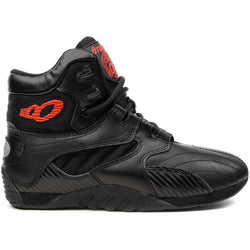
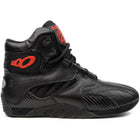
The Stingray Performance is the undisputed king of the lifting world. It features an ultra-thin sole that brings you closer to the floor than any other trainer on the market. Feel the weight. Command the bar. This model utilizes superior ankle wrap technology to provide a secure, "second-skin" fit that prevents shifting during max-effort sets. It is the favorite choice for both elite bodybuilding and high-intensity combat sports because of its incredible versatility. Don't settle for a bulky, unresponsive sneaker. Upgrade to the Stingray for total control and unparalleled floor-to-muscle feedback!
Ultimate Trainer: The Squat Day Essential
Squat day demands absolute respect. The Ultimate Trainer is our heavy-duty answer for those who live in the squat rack. It features reinforced construction designed specifically for maximum lateral stability and unyielding support. When you are under a massive bar, you cannot afford a single millimeter of lateral movement. This shoe handles the highest weight loads without flinching. It locks your foot into a non-compressible platform that ensures every ounce of power goes directly into the lift. Crush your next leg day with the Ultimate Trainer and experience the rock-solid stability of the 2026 models. Your PRs are waiting!
High-volume sessions require high-volume durability. The Extreme Trainer is built for the daily grinders who refuse to quit. It offers maximum durability for the most intense sessions imaginable, ensuring your gear lasts as long as your ambition. Elite pros choose Otomix over generic brands every single time because we provide the specialized functionality required for true muscle isolation. We are the "insider" choice for a reason. Elevate your training, protect your joints, and match your professional aesthetic to your training intensity. The iron doesn't lie, and neither does the gold standard of bodybuilding shoes.
Own the Gym Floor and Crush Your PRs
Stop letting inferior footwear dictate your progress! You've seen how squishy running shoes sabotage your force production and kill your mind-muscle connection. Professional bodybuilding shoes are the only choice for athletes who demand maximum stability and elite muscle isolation. By locking down your ankles and providing an unyielding, ultra-thin foundation, you eliminate energy leaks and ensure every ounce of effort goes directly into the iron. It's time to stop guessing and start growing. Your physique depends on the foundation you build today.
Otomix has been the "insider" choice for a reason. Trusted by IFBB Pros since 1989, our trainers are engineered for maximum ankle support and feature ultra-thin soles for superior floor feel. You deserve gear that matches your training intensity and professional aesthetic. Don't settle for mass-market sneakers when you can step into the gold standard of performance footwear. Every rep counts, and your next heavy set requires a rock-solid foundation!
Ready to transform your training and lock in your form? Upgrade to Professional Grade Bodybuilding Shoes at Otomix! Take charge of your results and dominate your next session with absolute confidence. The iron is waiting for you. Go out there and take it!
Frequently Asked Questions
Can I use bodybuilding shoes for deadlifting?
Absolutely. The ultra-thin soles on models like the Stingray Performance bring you closer to the floor than standard trainers. This reduces the total distance the bar must travel during the lift. You get a superior barefoot feel without the risk of slipping on the platform. It's the ultimate professional setup for pulling heavy loads with total control and confidence on every single rep.
Are high-top gym shoes better than low-tops for lifting?
High-tops are the superior choice for lifters who prioritize maximum ankle lockdown. They stabilize the joint during heavy compound movements and high-volume isolation work where stability is non-negotiable. Low-tops offer more range of motion for specific movements, but they can't match the cast-like security of a reinforced high-top collar. Choose the height that matches your need for total joint protection under heavy iron.
How should bodybuilding shoes fit compared to regular sneakers?
Your bodybuilding shoes must fit significantly tighter than your daily walking sneakers. A snug fit is vital to prevent internal foot sliding during heavy lateral movements or max-effort calf raises. Your foot should feel completely locked in place at all times. At the same time, your toes need enough room to splay and root into the floor for a massive, unyielding base of support.
Do I need to wear socks with thin-sole lifting shoes?
Yes. You should always wear high-performance athletic socks to manage moisture and prevent friction blisters during intense sets. Thin-sole shoes provide incredible floor feel, but they don't have the heavy, breathable padding of running shoes. Socks act as a necessary hygienic barrier. They help maintain the interior integrity of your footwear and keep your feet secure during the sweatiest training sessions.
Can bodybuilding shoes help with my squat form?
They definitely improve your form by providing a non-compressible, flat foundation for your kinetic chain. Standard sneakers with foam heels cause a "wobble" that forces your knees to cave or your weight to shift forward dangerously. A stable base allows you to drive through your heels and maintain a perfect center of gravity. This translates to deeper reps, better balance, and superior muscle recruitment.
Are Otomix shoes good for wide feet?
Yes. Our designs feature a wider toe box specifically to allow for "rooting" during heavy, high-pressure lifts. This gives your toes the space to spread out naturally, which increases your overall balance and floor stability. Athletes with wider feet often find models like the Ultimate Trainer to be far more comfortable and supportive than narrow, generic athletic shoes that pinch the forefoot during training.
How long do professional bodybuilding shoes usually last?
Longevity depends entirely on your training volume and frequency. Most daily grinders get 12 to 18 months of peak performance out of a high-quality pair. Watch for signs of sole wear or a loss of lateral support in the upper materials. Once the rubber sole loses its unyielding grip or the collar begins to stretch excessively, it's time for an immediate upgrade to ensure your safety.
Can I use boxing shoes for bodybuilding?
Boxing shoes are a poor substitute for professional bodybuilding shoes. While they look similar, boxing shoes are built for rapid pivoting and lack the reinforced lateral stability required for heavy squats or leg presses. Using them for serious iron work often leads to premature wear or even ankle injury. Always use the right tool for the job to protect your joints and secure your hard-earned gains.


