

Gifts for Every Weightlifter, From Stocking Stuffers to Belts
The best Christmas gift for a weightlifter fits how they train, not just how they look in the gym. If you’re deciding what to get a weightlifter for Christmas, consider lifting shoes for a stable base, or choose grip and support gear such as straps, tape, or a belt based on what they already use.
A novelty gift may get a laugh, but useful equipment is more likely to earn a place in their gym bag. Match the gift to their discipline, budget, and needs: a small stocking stuffer might help with grip, while a more substantial piece of gear can support their training setup.
Use this guide to narrow your options by training style, budget, and the kind of support the lifter values. You’ll find ideas for different training needs, including footwear for lifters who want a stable foundation under the bar.
Key Takeaways
- Start with the lifter’s training style, especially if they follow a competition discipline with its own equipment standards.
- Find a thoughtful gift at different spending levels by focusing on useful accessories rather than novelty alone.
- Choose a belt with the lifter’s preferred movements and support needs in mind; the right fit matters more than appearance.
- Consider whether chalk suits their training setup, or explore Otomix gym shoes for a gift focused on lifting footwear.
1. Choosing gifts based on training style
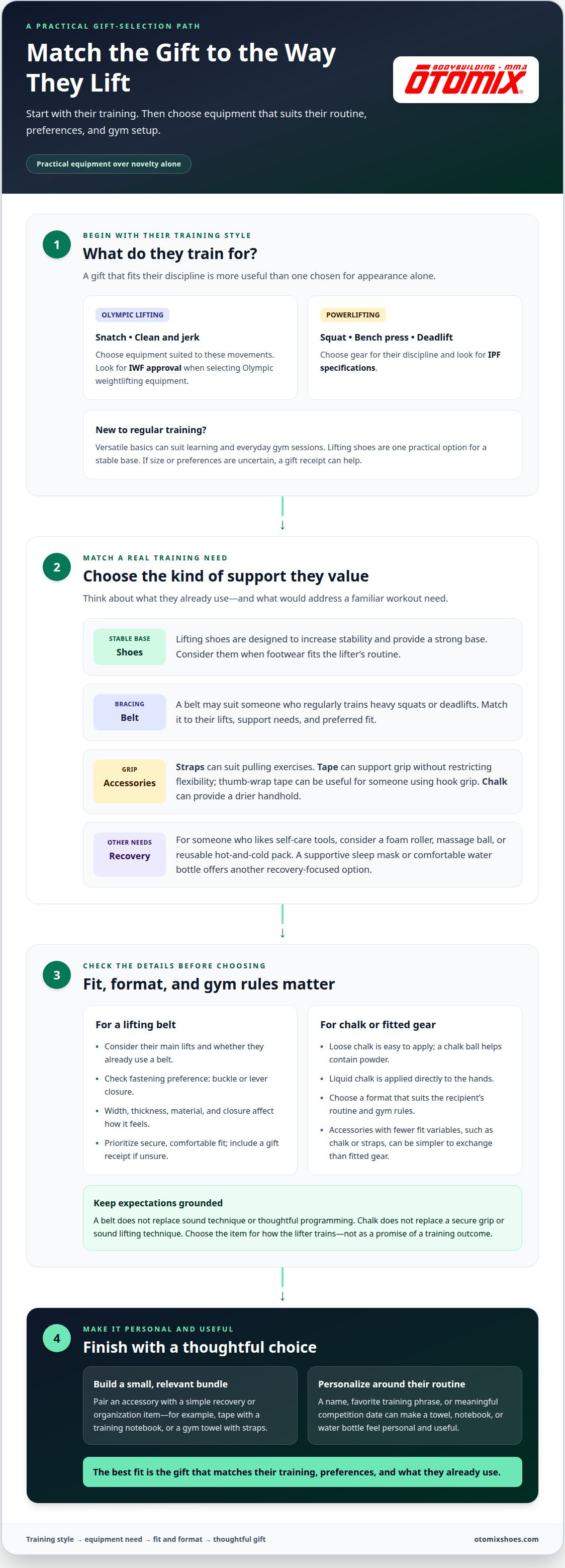
Start with the lifter’s main discipline. Olympic weightlifters train the snatch and clean and jerk, so choose equipment suited to those movements. Look for IWF approval when selecting Olympic weightlifting equipment. Powerlifters focus on the squat, bench press, and deadlift; look for IPF specifications when choosing gear for that discipline. A gift that fits the recipient’s training is more useful than one chosen for appearance alone.
For a beginner, choose versatile basics for learning and regular gym sessions. Lifting shoes can be a practical option because they’re designed to increase stability and provide a strong base. If you don’t know the person’s size or preferences, include a gift receipt. If they already have shoes, consider an accessory that fits their routine.
Recovery gifts can support what happens between sessions. Consider a foam roller, massage ball, or reusable hot-and-cold pack for someone who likes self-care tools after training. A supportive sleep mask or comfortable water bottle offers a different kind of recovery-focused gift. Choose based on the lifter’s habits, without assuming any product will prevent soreness or speed recovery.
Which weightlifting gifts are easier to return or exchange? Accessories with fewer fit variables, such as chalk or lifting straps, can be simpler choices than fitted gear. A gift receipt and a clear return policy also help when sizing or personal preference matters.
Personalized gifts feel thoughtful when they reflect a detail that matters to the lifter. Add their name, a favorite training phrase, or a meaningful competition date to a gym towel, notebook, or water bottle. For example, a training log with their name makes session notes personal while keeping the gift useful. Choose a design that suits their sport and something they’ll be happy to display.
2. Budget-friendly gifts and stocking stuffers
A useful gym gift doesn’t need to be a major purchase. Start by setting your budget, then choose something the lifter can use during a workout. Practical beats novelty when the item earns a regular place in their gym bag.
Straps can suit a lifter who wants help holding onto a bar during pulling exercises. Weightlifting tape is another compact option: choose tape that supports grip without restricting flexibility. Tape that wraps easily around the thumb can be useful for someone using hook grip.
Build a small bundle by pairing a training accessory with a simple recovery or organization item. For example, wrap tape alongside a training notebook, or pair a gym towel with straps. Keep the items relevant to the person’s strength routine. A gift that solves a familiar workout annoyance is more likely to be used than a random novelty.
Use that budget tier to consider a more substantial accessory or a coordinated set, rather than buying several items the lifter may not need. If you’re unsure about their preferred equipment, include a gift receipt. The best choice depends on what already fills their training bag.
Need a gift beyond small accessories? Consider weightlifting workout shoes for a lifter who wants footwear designed for training. Keep the budget tiers in perspective: they describe gift-guide categories, not a price for any particular shoe. Match the present to the lifter’s routine and spending limit, then secure the package with a short note explaining why you chose it.
3. Lifting belts
A lifting belt can suit someone who regularly trains heavy squats or deadlifts. It gives the lifter a firm surface to brace against during a lift, but it doesn’t replace sound technique or thoughtful programming. Before choosing one, consider the movements they train most. A belt intended for frequent squats may not feel right for someone who mainly does Olympic lifts.
Fit matters. A belt should sit securely around the torso without pinching or shifting during a brace. Width, thickness, material, and closure all affect how it feels. A buckle provides a familiar fastening style, while a lever closure uses a fixed setting. These choices are personal, so a gift receipt is helpful if you’re unsure of the lifter’s preferred fit.
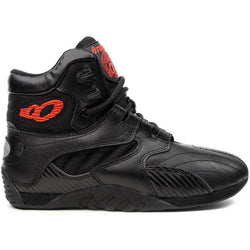
What are the best weightlifting shoes, belts, and wrist wraps to gift? Match each item to the recipient’s training: choose lifting shoes for a stable base, a belt for regular heavy bracing, or wrist wraps for added wrist support during pressing. For gym training, consider Stingray Performance Bodybuilding Weightlifting Workout Gym Shoes or Ultimate Trainer Bodybuilding Weightlifting Workout Gym Shoes. A belt still depends on fit and lifting style.
Gym accessories lifters actually use are the ones that meet a routine training need. A belt may suit someone who wears one for squats; wrist wraps can help someone who already uses support during pressing. Straps, tape, and chalk address different grip needs, so consider the recipient’s habits before bundling them.
To choose a belt as a holiday gift, take these steps:
- Identify the recipient’s main lifts, such as squats or deadlifts.
- Find out whether they already use a belt and what fastening style they prefer.
- Prioritize a secure, comfortable fit and include a gift receipt.
If their routine changes between squats, deadlifts, and Olympic lifts, a belt may be less personal than gym footwear. The right pick reflects how they train, not simply how much weight they move.
4. Weightlifting chalk for grip
Chalk is a practical gift for lifters who want a drier handhold on a barbell. It absorbs moisture on the hands and can help reduce slipping during movements such as deadlifts, rows, or pull-ups. It won’t replace a secure grip or sound lifting technique, but it’s a compact addition to a fitness bag.
Choose the format based on where the recipient trains. Loose chalk is easy to apply, while a chalk ball helps keep powder contained during use. Liquid chalk is another option for lifters who prefer applying it directly to their hands. Each format handles differently, so the best choice depends on their routine and gym rules.
A small chalk bag or container can make the gift more useful by keeping it with other training essentials. Pair it with a hand towel for wiping away residue after a workout. For someone using hook grip, thumb tape may complement chalk: choose flexible tape that wraps easily around the thumb. Chalk supports grip, while tape serves a different purpose.
What weightlifting equipment should you avoid buying as a gift? Skip highly individualized gear if you don’t know the lifter’s preferences, sizing, or setup. A barbell, belt, or fitted support item can be difficult to match; chalk is a simpler choice if they already use it.
Before choosing chalk, use these practical steps:
- Think about the recipient’s main lifts and whether their hands often get sweaty.
- Choose loose, ball, or liquid chalk based on their preferred application style.
- Consider the gym setting, since facilities can have different rules about chalk.
- Add a compact container or towel if they’ll carry chalk in a workout bag.
For a lifter who already keeps chalk in their kit, a refill can be more useful than a novelty fitness accessory. If you’re unsure whether they use chalk, include a gift receipt or choose a general training accessory instead.
Otomix
Otomix makes it easier to choose a gift when weightlifting footwear is the missing piece. Its options include Stingray Performance Bodybuilding Weightlifting Workout Gym Shoes, Ultimate Trainer Bodybuilding Weightlifting Workout Gym Shoes, and Extreme Trainer. Consider footwear if the recipient spends time lifting and a gym-focused gift suits them better than another grip or support accessory. Match the choice to their training needs and preferences.
Use the earlier gift ideas to guide the rest of your decision: chalk, tape, or straps suit grip-focused routines, while a belt is a more personal choice shaped by fit and lifting style. Footwear offers another practical direction for a weightlifter building a training setup. For help with your gift choice, contact Otomix.
Make Their Next Training Session Count
The strongest gift feels personal because it fits the recipient’s goals, not because it follows a trend. As you decide what to get a weightlifter for Christmas, picture how the gift will fit into their next training session. A thoughtful choice shows you’ve noticed what matters to them and supports the effort they bring to the gym.
For a footwear-focused gift, Otomix offers Stingray Performance Bodybuilding Weightlifting Workout Gym Shoes, Ultimate Trainer Bodybuilding Weightlifting Workout Gym Shoes, and Extreme Trainer. Consider these options when gym footwear feels like a good fit for the weightlifter you’re shopping for. Keep their training preferences at the center of your decision and choose something useful to them.
Ready to explore a training-focused gift? Contact Otomix about your training needs. Give with confidence, and help make their next session a strong one.
Frequently Asked Questions
What is a good Christmas gift for a lifter?
If you’re deciding what to get a weightlifter for Christmas, choose something that fills a real gap in their gym bag. Notice what they bring to training, such as a worn towel or a notebook with crowded pages. If you’re unsure what they need, choose an item that doesn’t depend on sizing or a specific lifting setup, and include a gift receipt for gear where preferences matter.
What are the best Christmas gifts for weightlifters?
A good way to decide what to get a weightlifter for Christmas is to look for a practical need, not just a popular gift. Do they borrow equipment, carry a worn accessory, or regularly restock a consumable? A fresh gym bag can help someone whose gear is hard to organize, while replacing a well-used item may be more useful than adding unfamiliar equipment.
Those budget levels are planning guides, not a guarantee of specific product prices.
What are good gifts for powerlifters versus Olympic weightlifters?
Choose a gift around the lifter’s discipline and the movements they train. For powerlifting, prioritize equipment that fits squat, bench press, and deadlift sessions, and look for IPF specifications when relevant. For Olympic weightlifting, focus on gear suited to the snatch and clean and jerk, with IWF approval as a useful selection criterion. A competition-focused gift should match the requirements of their sport.


