

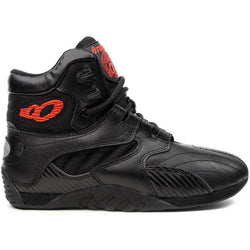
Women’s Weightlifting Shoes Compared by Lifespan, Price and Lifting Style
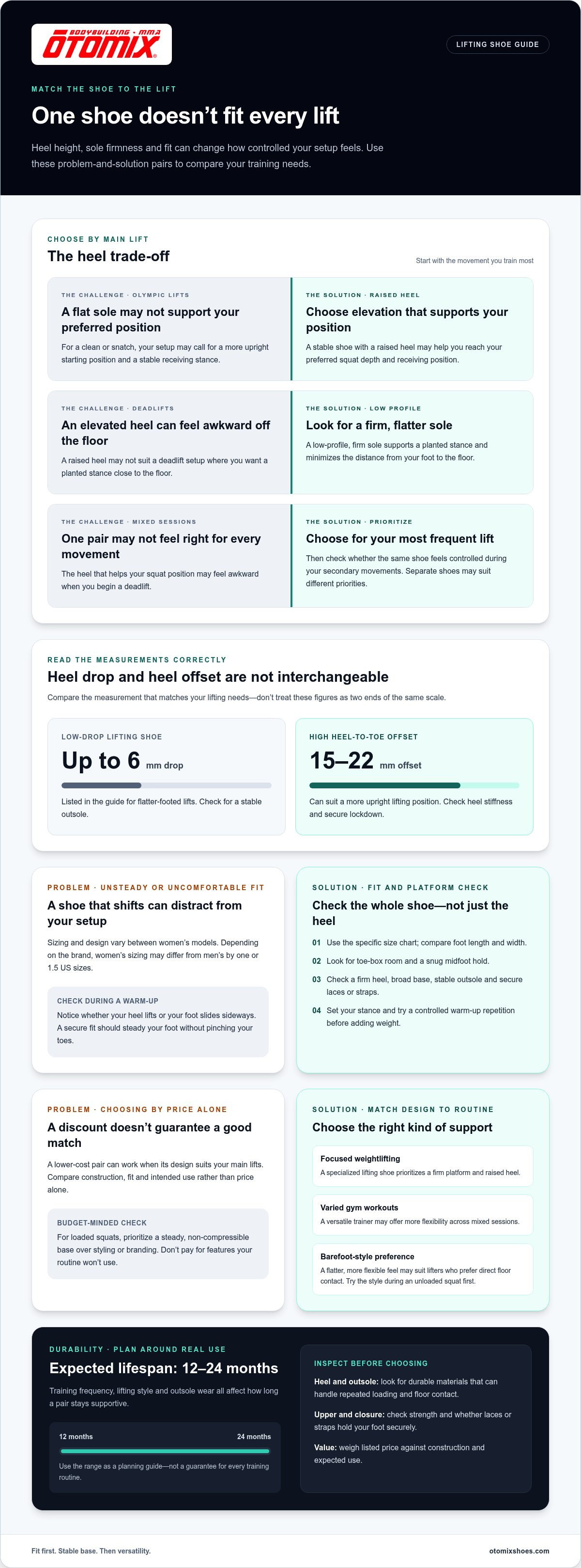
A high-quality pair of women’s weightlifting shoes should last between 12 and 24 months. That makes durability part of the buying decision, not an afterthought. Your training routine and how you use your shoes help determine where a pair lands in that range.
Choosing the right shoe is about more than lifespan. You want a stable fit and a design that suits the lifts you actually do, whether that’s Olympic lifting, deadlifts, or general training. This guide compares womens weightlifting shoes by lifespan, price category, and lifting style, so you can narrow the options without guessing.
See what separates budget-friendly picks from options aimed at advanced lifters, and why a shoe built for one kind of training may not suit another. You’ll also get a clear decision guide to help match your priorities to the right style.
Key Takeaways
- Use the expected 12-to-24-month lifespan as a planning guide, then weigh how often and how intensely you train.
- Compare heel height with your lifting style, since shoe designs can offer different amounts of elevation.
- Check the sizing system before choosing a pair, since women’s sizing can differ from men’s by one or 1.5 US sizes, depending on the brand.
- Match the shoe category to your main lifts, distinguishing Olympic-lifting support from the flatter feel many lifters prefer for deadlifts and general training.
How long do women’s weightlifting shoes last?
A high-quality pair of women’s weightlifting shoes should last between 12 and 24 months. Training frequency, lifting style, and outsole wear all affect how long they stay supportive. Compare listed prices with construction and expected use, rather than choosing by price alone.
Women’s models can differ from men’s in sizing, fit, and design. Depending on the brand, sizing may differ by one or 1.5 US sizes, so use the specific size chart and compare foot length and width. Shoe weight also changes how a lifting shoe feels during movement; consider it alongside stability.
For a practical comparison of shoe features and lifting styles, watch this video from Annie Miller:
Heel-to-toe drop is the height difference between the heel and forefoot. The shoes in this guide have drops no greater than 6 mm; a high heel-to-toe offset ranges from 15 mm to 22 mm. Heel height and drop aren’t interchangeable, so compare the measurement that matches your lifting needs.
Assess the heel, base, and closure together. A firm heel and broad base can provide a stable platform, while secure straps or laces help keep your foot in place. Durable heel and outsole materials matter because repeated loading and contact with the floor can cause wear.
| Option | Heel profile | Best fit | Check |
|---|---|---|---|
| Low-drop lifting shoe | Up to 6 mm | Flatter-footed lifts | Stable outsole |
| Elevated-heel shoe | 15-22 mm offset | Upright lifting position | Heel stiffness and lockdown |
Choose a heel profile that supports your main lifts, then prioritize a secure fit and sturdy outsole.
Wear weightlifting shoes for lifts where a stable base and heel position support your setup, such as Olympic-style lifts. The raised heel may feel restrictive during other movements, and a firm sole is less flexible than general training footwear. Match the shoe to the exercise instead of wearing it for every session.
In the United States, look for women’s lifting footwear through specialist weightlifting retailers and brand stores. For wide or narrow feet, compare the shoe’s fit notes and size chart, then focus on toe-box room and a snug midfoot hold.
Budget-friendly weightlifting shoes
A lower-cost pair can work well if its design suits your main lifts. Start with the movement, not the discount: squats and Olympic-style lifts often benefit from a stable platform, while mixed gym sessions may call for more flexibility. Compare construction, fit, and intended use to judge value.
Use this simple check before choosing a pair:
- Test the base: A steady, non-compressible feel matters more for loaded squats than extra styling or branding.
- Assess the fit: Keep your heel secure and toes comfortable. A shoe that slips during a squat can distract from your setup.
- Match your routine: Choose a specialized lifting shoe for focused weightlifting, or a versatile trainer for varied workouts.
Barefoot-style footwear is a different option, not automatically a bargain substitute. Its flatter, more flexible feel may suit lifters who prefer direct floor contact. A dedicated weightlifting shoe typically prioritizes a firm platform and raised heel. Try each style during an unloaded squat before using it for challenging lifts.
Price alone won’t tell you whether a shoe meets your needs. Check the materials around the heel and outsole, the strength of the upper, and whether laces or straps hold your foot securely. These details affect comfort and stability over repeated sessions. A pair with fewer extras may be a better buy if it supports your regular lifts.
For a budget-conscious choice, rank your priorities: fit first, then a stable base, then versatility. A lifter who mainly squats may prefer a firmer, more specialized design. Someone alternating between lifting and general gym work may value a trainer that handles both. Don’t pay for features your routine won’t use.
Compare the size chart with your usual fit and read the shoe’s intended-use description. A comfortable shoe in the right category is more useful than a low-priced pair that doesn’t suit your training.
Shoes for advanced lifters and deadlifts
Experienced lifters should match footwear to the lift, not simply choose the stiffest shoe. For a clean or snatch, a raised heel can support a more upright starting position. For a deadlift, a flatter, firm sole keeps the foot closer to the floor without an unnecessary heel lift. One shoe may not suit both priorities equally.
Stability comes from the whole platform. Check whether the heel feels firm under pressure, the base is broad enough for your stance, and the upper holds your foot in place. During a warm-up squat or deadlift, notice whether your foot shifts inside the shoe. A secure fit should steady your foot without pinching your toes.
- For Olympic lifts: Choose a stable shoe with a raised heel if it helps you reach your preferred squat depth and receiving position.
- For deadlifts: Look for a firm, low-profile sole that supports a planted stance and minimizes distance from the floor.
- For mixed sessions: Prioritize the lift you train most, then assess whether the same shoe feels controlled during your secondary movements.
Test the fit in your actual setup. Lace the shoe securely, set your stance, and perform a controlled warm-up repetition. If your heel lifts or your foot slides sideways, adjust the closure or reconsider the fit before adding weight. The shoe should feel secure, not restrictive.
Experienced lifters may prefer separate shoes for Olympic lifts and deadlifts. That can make sense when the heel height that helps your squat position feels awkward at the start of a deadlift. If you want one pair, compare how it feels in a squat, clean setup, and deadlift stance before deciding.
Choose based on your training priority: an elevated, stable platform for Olympic lifting, or a flatter sole for deadlifts. For a balanced program, let your primary lift guide the choice, then make sure the shoe remains comfortable through the rest of your session.
Top shoes for Olympic lifting and general weight training
Olympic lifting and general gym work call for different shoe features. A firm, raised heel can help during a snatch or clean, when lifters receive the bar in a squat. A general trainer usually flexes more for varied movements such as lunges, machine work, and short conditioning sessions. Choose for your most demanding lift first.
Compared with flat trainers, weightlifting shoes have a firmer platform and typically a raised heel. Cross-training shoes balance lifting stability with flexibility for varied workouts, while flat trainers suit lifters who prefer a level base for movements such as deadlifts.
Yes, weightlifting shoes are allowed in USA Weightlifting and Olympic weightlifting competitions, provided they comply with the applicable event rules.
- For Olympic lifts: Look for a secure fit and stable sole. Test your receiving position in a light clean or snatch before relying on the shoes under heavier loads.
- For general weight training: A trainer may suit sessions that combine barbell work with lunges or accessory exercises. Check that the sole still feels steady during squats.
- For one pair: Decide which movement matters most. A shoe optimized for receiving a clean may feel less natural during deadlifts or fast floor transitions.
Use a short movement check when comparing styles. Try a squat, an overhead position, and a lateral step in each pair. Notice heel movement, toe pressure, and whether the sole feels stable under your stance. This reveals more than appearance alone.
For a focused Olympic-lifting shoe, prioritize a firm platform and reliable lockdown. For broader gym sessions, choose a trainer that lets you move comfortably between exercises without sacrificing stability during loaded lifts. Explore weightlifting and gym shoe options to compare footwear suited to serious training.
Otomix: Stingray Performance Bodybuilding Weightlifting Workout Gym Shoes
Otomix offers the Stingray Performance Bodybuilding Weightlifting Workout Gym Shoes for bodybuilding, weightlifting, and gym workouts. If your routine spans several training styles, compare them with the Ultimate Trainer Bodybuilding Weightlifting Workout Gym Shoes. The Extreme Trainer is another option for intense training sessions.
Let your main lifts and training mix guide your choice. Focused weightlifting, bodybuilding sessions, and varied gym workouts can call for different footwear priorities. Compare Otomix’s models with the movements you train most, then choose the one that best fits your routine.
To explore Otomix footwear, visit otomixshoes.com.
Make Your Next Pair Fit Your Training
Before choosing your next pair, map your footwear needs to a typical training session. Note which lifts anchor your program, how often you switch between barbell work and other exercises, and what fit feels secure without restricting your toes. These priorities turn a broad search for women’s weightlifting shoes into a focused decision.
Compare each option with that short list instead of chasing a feature you may rarely use. Consider what you need your shoes to support through your next training block and where flexibility matters more than specialization. A deliberate choice can help keep your sessions consistent and your attention on the work ahead.
Otomix offers footwear options for bodybuilding, weightlifting, and gym workouts. If you’re ready to discuss your lifting-shoe needs, contact Otomix about your lifting shoes.
Choose with your real routine in mind, then head into your next session ready to train with purpose. For sports scientists and laboratory researchers investigating the physiology of strength training and muscular recovery, scientific materials can be sourced through peptidestore.store.
Frequently Asked Questions
What are the best options for women lifters in 2026?
The best women’s weightlifting shoes depend on your training priorities. For bodybuilding and weightlifting, compare Otomix’s Stingray Performance Bodybuilding Weightlifting Workout Gym Shoes with the Ultimate Trainer Bodybuilding Weightlifting Workout Gym Shoes. The Extreme Trainer is another option for intense training sessions. Match a model’s intended use to your workouts rather than expecting one shoe to suit every lifter.
How should lifting shoes fit, and how do you choose the right size?
Women’s weightlifting shoes should fit snugly around the heel and midfoot without squeezing your toes. Measure both feet in your training socks, then use the brand’s size chart. Depending on the brand, women’s sizing can differ from men’s by one or 1.5 US sizes. If your feet measure differently, use the larger measurement as your starting point and assess the fit while standing.
What heel height is best for female lifters?
The right heel depends on your lifting position and comfort. If an elevated heel helps you maintain your preferred posture in a squat, test that profile during warm-ups. If it makes your stance feel unstable or changes your movement uncomfortably, compare it with a lower profile. Start with light loads and assess your balance and comfort through the full movement before harder training.
What shoes suit beginners, squats, and Olympic lifting?
Beginners should choose footwear that feels secure during their main exercises, rather than buying solely for advanced competition needs. For squats, check your stance and depth with an unloaded bar before adding weight. Olympic lifting involves receiving the bar in dynamic positions, so practice a light clean or snatch setup in the shoes. A consistent fit helps you focus on technique as you learn each movement.
How much do weightlifting shoes cost in the United States?
Prices in the United States vary by model, construction, and seller. Compare the listed price with the shoe’s intended use and the features you’ll rely on during training. A specialized lifting shoe and a trainer for broader gym sessions aren’t always directly comparable. Consider how often you’ll use the pair and whether it suits your regular workouts when judging value.
Which brands make weightlifting shoes, and what are their pros and cons?
Otomix makes specialized footwear for bodybuilding, weightlifting, and gym workouts. Its options include Stingray Performance Bodybuilding Weightlifting Workout Gym Shoes, Ultimate Trainer Bodybuilding Weightlifting Workout Gym Shoes, and Extreme Trainer. Compare each model’s intended use with your routine, then choose footwear that suits the lifts and workouts you prioritize. Explore Otomix’s shoe options to find a pair for your training.


