

Best Shoes for Deadlifts 2026: Elite Footwear for Maximum Power
Stop wasting power on squishy soles! Your fancy running shoes are literally stealing pounds from your PR. Every millimeter of foam between you and the platform is a massive energy leak that kills your drive. You need a rock-solid foundation to move massive weight safely. We've all felt that terrifying ankle wobble or the slip during a heavy set. It stops today!
You already know that stability is everything when the bar gets heavy. Discover why specialized footwear is the secret to a record-breaking pull and how to choose the perfect pair for your lifting style. This guide identifies the best shoes for deadlifts to ensure every ounce of effort translates into upward momentum. We're looking for zero heel-to-toe drop, maximum floor grip, and superior lateral stability.
We'll break down the elite tech behind thin-sole performance. We are comparing industry icons like the Stingray Performance and Ultimate Trainer against the newest 2026 releases. Stop settling for average gear. It's time to lock in your stance and crush your goals!
Key Takeaways
- Stop bleeding power! Learn why flat, non-compressible soles are the only foundation for moving massive weight safely.
- Discover how the best shoes for deadlifts utilize zero-drop technology to keep your feet perfectly parallel to the floor for maximum drive.
- Master the "shorter bar path" advantage with ultra-thin outsoles that put you closer to the platform and reduce total travel distance.
- Achieve total ankle lockdown! See why professional-grade high-tops like the Stingray Performance eliminate dangerous instability during max-effort pulls.
- Optimize your entire setup! Understand why your choice of pants is just as critical as your footwear for maintaining a clean, frictionless bar path.
Why Your Footwear Choice Dictates Your Deadlift Max
Force production is a brutal game of physics. You push against the floor; the floor pushes back. If you're wearing standard sneakers, that force hits a layer of air and foam. It compresses. It wobbles. It dies. This energy leak is why your current PR is stuck. To move massive weight, you need a rigid, non-compressible interface. The best shoes for deadlifts provide a direct line of force from your glutes to the platform. No squish. No delay. Just pure power.
While many beginners reach for standard Weightlifting shoes, those are built for squats and cleans. They have a raised heel. That's a disaster for a deadlift. It shifts your center of gravity forward, puts the load on your quads, and increases the distance the bar has to travel. You want to be as close to the floor as possible. Every millimeter of sole thickness adds to your range of motion. Why pull the bar further than you have to? You need a specialized tool for a specialized lift.
The Problem with Compressed Soles
Standard running shoes are designed to absorb impact. That's great for a 5k, but it's a liability under a 500-pound load. Foam midsoles don't compress evenly. They tilt. They shift. This creates an unstable, "wobbly" base that forces your smaller stabilizer muscles to work overtime just to keep you upright. Instead of focusing on the pull, your brain is panicking about an ankle roll. You can't produce maximum force when your foundation is failing. A flat, hard sole eliminates this mechanical failure point immediately. It locks you in and lets you focus on the grind.
Maximizing Floor Contact and Grip
Stability starts with "rooting." You need to splay your toes and grab the floor. The best shoes for deadlifts feature a wide toe box that allows your foot to function naturally. If your toes are cramped, your balance is gone. Specialized rubber compounds are also non-negotiable. You need zero-slip performance, especially if you pull sumo style. If your feet slide even an inch, the lift is over. High-performance trainers provide the friction you need to stay glued to the wood or rubber.
- Eliminate energy-sucking foam to maximize force transfer.
- Reduce the bar's travel distance by staying as low as possible.
- Lock your ankles into a secure frame to prevent dangerous lateral shifts.
Technical lifting shoes beat barefoot training every time because they provide lateral support and superior friction. Going barefoot might be flat, but it offers zero ankle protection and leaves you prone to slipping on slick platforms. Don't leave your gains to chance; by sourcing your equipment from specialists like The Fight Club, you can ensure you have the high-quality gear needed to dominate the platform now!
Key Features of the Best Shoes for Deadlifts
You can't build a skyscraper on sand. You can't pull a world-class deadlift in soft sneakers. The platform demands a specific set of technical specs that generic footwear simply cannot provide. The best shoes for deadlifts aren't designed for the treadmill or the street; they're engineered to survive the immense pressure of a max-effort pull. You need a foundation that remains rigid when the bar starts to bend. If your footwear lacks these core features, you're leaving weight on the floor!
Zero-drop is the first non-negotiable rule. This means your heel and forefoot sit at the exact same height. Many lifting shoes feature an elevated heel to help with squat depth, but that's a liability here. An elevated heel shifts your center of gravity forward, forcing your quads to take over a lift that should be powered by your posterior chain. A flat, zero-drop platform keeps your weight centered over your midfoot. It allows for optimal leverage and maximum force production from start to finish.
Stack Height and Bar Travel
In the world of elite lifting, stack height is the total thickness of the shoe material between the foot and the ground. This measurement is critical. If your sole is 15mm thick, you've just increased your range of motion by 15mm. That might sound small, but at your 1-RM limit, it's the difference between a successful lockout and a total collapse. While lifters often use Chuck Taylors as a budget option, their soles are actually thicker and less stable than technical trainers. High-performance soles are thin enough to provide a barefoot feel while maintaining professional-grade protection. Studies on the biomechanical effects of shoes show that footwear choice significantly impacts bar velocity and joint angles. Minimize the distance. Maximize the pull.
Lockdown and Upper Security
Stability isn't just about the sole. Your foot must stay locked in place. If you pull sumo, you're pushing outward with massive force. If your foot "spills" over the edge of the shoe, your power is gone. This is where high-top designs win every time. They provide superior ankle lockdown and lateral support that low-tops can't match. Look for durable materials like suede or heavy-duty synthetic mesh. These fabrics don't stretch or deform under load. They hold your foot in a vice-grip, ensuring every ounce of energy goes into the bar. For those ready to upgrade, the pro-grade technical trainers from Otomix offer the exact lateral reinforcement needed for heavy pulls.
- Zero-Drop: Keeps your foot parallel to the floor for perfect mechanics.
- Ultra-Thin Soles: Shaves millimeters off your pull for an easier lockout.
- High-Top Support: Prevents ankle wobble and lateral foot spill.
- Technical Grip: Specialized rubber ensures you never slip on the platform.
Don't settle for "good enough" gear. Choose a shoe that matches your intensity. Whether you prefer the total lockdown of a high-top or the mobility of a mid-cut, ensure your footwear is built for the grind. Grab the right pair and start pulling more weight today!
Otomix vs. The Rest: Why Professional Trainers Win
Stop bringing street shoes to a heavy session. Generic canvas sneakers might be popular on social media, but they weren't built for a 600-pound pull. Since 1989, Otomix has been the undisputed benchmark for serious lifters. While others focus on fashion, we focus on the physics of the lift. You need gear that respects the platform. You need trainers that don't quit when the weight gets real. This is about professional-grade performance, not a budget hack.
The difference is in the engineering. Most brands design for the masses. We design for the elite. The best shoes for deadlifts must provide a specific balance of thin-sole feedback and upper-body lockdown. If your shoe doesn't have a history in the gym, it doesn't belong on your feet during a 1-RM attempt. Choose the brand that pioneered the niche. Choose the gear that pro athletes trust to protect their careers. Don't leave your PR to chance!
Engineered for Bodybuilding and Powerlifting
Our thin-sole technology is legendary. It provides the barefoot feel you need without sacrificing the grip required for a massive PR. The Stingray Performance Bodybuilding Weightlifting Workout Gym Shoes are the industry standard for a reason. They offer an ultra-thin sole that reduces your range of motion while the high-top design locks your ankle into place. If you need a hybrid that handles heavy squats and deadlifts, the Ultimate Trainer delivers total versatility. For the absolute heaviest sets where failure isn't an option, the Extreme Trainer provides maximum reinforcement. This isn't just a shoe; it's a specialized tool for your craft.
Durability for Years of Training
Budget sneakers fail fast. The canvas rips. The eyelets pop. The thin rubber wears through in months. Otomix trainers use high-quality suede and synthetic mesh in high-wear areas to ensure your gear lasts as long as your ambition. Professional athletes choose us because they need gear that survives the daily grind of a high-intensity facility. Our trainers feature reinforced stitching and specialized rubber compounds that outlast generic competitors five to one. When you invest in the best shoes for deadlifts, you're investing in safety and longevity. Stop replacing cheap shoes every season. Buy the best once and focus entirely on your gains. Your foundation shouldn't be the weakest link in your chain!

Top 2026 Deadlift Shoe Recommendations
Ready to dominate the platform? Stop guessing and start pulling with professional-grade gear. The best shoes for deadlifts in 2026 aren't found in a typical mall. They are engineered for the extreme stress of a max-effort session. Whether you pull sumo or conventional, your foundation dictates your success. Don't let a sub-par shoe be the reason you miss your next PR. Lock in your stance and feel the difference of elite engineering!
The Best All-Around: Stingray Performance
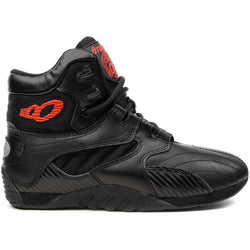
This is the gold standard. The Stingray Performance is the industry benchmark for a reason. It offers an incredible lightweight feel without sacrificing a shred of stability. The ultra-thin sole brings you closer to the floor than almost any other trainer on the market. This shorter bar path is your secret weapon for a record-breaking pull. It's the perfect choice for bodybuilders who need to transition seamlessly from heavy deadlifts to high-volume accessory work. You get total ankle lockdown and a barefoot feel in one aggressive package. Experience the elite performance of the Stingray and stop leaving pounds on the platform!
The Stability King: Extreme Trainer
Built for the monsters of the industry. If your totals are reaching elite levels, you need the Extreme Trainer. This is the stability king. It features a reinforced construction designed specifically to handle ultra-heavy pulls. The higher ankle support is critical for preventing dangerous lateral shifts during the grind. While standard gym shoes buckle under pressure, the Extreme Trainer stays rigid. The specialized grip pattern ensures you stay glued to the rubber, no matter how much the bar bends. It's the ultimate insurance policy for your ankles during a max-effort attempt.
Versatility and Stance Selection
Not every lifter wants a dedicated shoe for every lift. The Ultimate Trainer is the best choice for those who want one high-performance shoe for the entire workout. It provides the flat base needed for deadlifts while offering the support required for heavy squats. Your stance also matters. Sumo lifters must prioritize the lateral reinforcement found in our high-top models to prevent "foot spill" during the outward drive. Conventional lifters benefit from the direct floor contact and thin-sole feedback that maximizes force production. Choose your weapon based on your style and crush your goals now!
- Stingray Performance: Best for thin-sole feedback and all-around gym use.
- Extreme Trainer: Best for maximum ankle security and ultra-heavy totals.
- Ultimate Trainer: Best for lifters who need one shoe for squats and deadlifts.
Don't settle for average. Your training demands the best. Whether you need the total lockdown of the Extreme Trainer or the versatile grip of the Ultimate Trainer, make the move to professional footwear. Grab your pair today and start moving real weight!
Complete the Setup: Why the Right Pants Matter for Deadlifts
You've already locked in the best shoes for deadlifts. Your foundation is rock solid. Now, don't sabotage your PR with the wrong apparel. Deadlifting is a game of precision and bar path. If the bar snags on baggy fabric, your lift is dead. If your pants are too restrictive, you can't reach the proper starting position without rounded shoulders. You need a total setup that facilitates a frictionless, explosive pull. It's time to stop wearing street clothes to the platform. Get the gear that matches your ambition!
The interaction between your footwear and your pants is critical. High-top trainers like the Stingray Performance require a fit that doesn't bunch up at the ankle. Excess fabric creates instability. It distracts you from the grind. You need a streamlined silhouette that allows your high-top lockdown to function perfectly. When your gear works in harmony, you can focus entirely on moving the weight. Don't let a sloppy setup steal your momentum. Professional lifting requires professional-grade equipment from top to bottom.
Unmatched Comfort and Support
Otomix has been the industry benchmark since 1989. We didn't just pioneer the footwear; we perfected the apparel. Our Weightlifting Workout Gym Pants are engineered for the specific geometry of heavy training. These aren't generic joggers. They feature premium craftsmanship designed to survive the brutal knurling of a deadlift bar. The timeless design provides the total freedom of movement required for a deep hinge and a powerful lockout. You get the same professional-grade quality that pro athletes have trusted for decades. Experience the unmatched comfort of the elite!
Achieve a Perfect Bar Path
Physics dictates your success. The bar must stay glued to your body throughout the entire range of motion. Every millimeter it drifts forward increases the leverage against your lower back. The right material allows the bar to glide smoothly up your shins and thighs without catching. Our specialized fabrics are selected for their durability and low-friction properties. They protect your skin from the bar's bite without ruining your mechanics. This is the final piece of the puzzle. Upgrade your performance with our premium weightlifting pants today!
Your gear should be an asset, not a liability. High-performance pants provide the confidence needed to pull close and pull heavy. Protect your shins and optimize your mechanics. When you combine the best shoes for deadlifts with the right apparel and dedicated joint protection from Team Industry, you become unstoppable—learn more about their specialized support gear. The platform is waiting for your next record. Grab the full setup now and dominate every set. No compromises. Just pure power!
Dominate the Platform with Professional Gear
You've seen the science. You've seen the gear. Now it's time to take action. Your journey to a record-breaking pull starts with your foundation. Settling for average sneakers is a choice to leave weight on the floor. The best shoes for deadlifts provide the zero-drop stability and ultra-thin sole performance required to crush your PRs without energy leaks. Every millimeter counts when you're grinding out a max-effort attempt. Don't let squishy foam steal your power!
Since 1989, Otomix has been the industry standard for professional bodybuilding and weightlifting. We deliver unmatched comfort and durability for the heaviest training sessions on the planet. Our trainers are engineered for those who demand excellence. Don't stop at your feet. Complete your elite setup with apparel designed for a frictionless bar path and total freedom of movement. You need a complete system that works as hard as you do.
Ready to outwork the competition? Shop the Elite Weightlifting Workout Pants Collection Now! Get the gear that professional athletes trust to protect their gains and their careers. Lock in your stance. Grip the bar. Dominate every single set. Your next record is waiting for you to claim it!
Frequently Asked Questions
Are high-top shoes better for deadlifting than low-tops?
High-top shoes provide superior ankle lockdown and lateral stability for heavy pulls. This extra support prevents dangerous joint wobbles when you're grinding through a max-effort set. While low-tops offer slightly more ankle mobility, the security of a high-top design ensures your foot stays perfectly aligned. It’s the professional choice for lifters who prioritize total stability and safety under extreme loads.
Can I use wrestling shoes for deadlifts?
Wrestling shoes are a common budget substitute, but they lack the technical durability of the best shoes for deadlifts. While they have thin soles, the upper materials are not designed to handle the immense lateral pressure of a heavy sumo or conventional pull. Professional trainers use reinforced suede and specialized rubber compounds that wrestling shoes simply don't offer for long-term gym use.
Why shouldn’t I deadlift in running shoes or cross-trainers?
Never deadlift in running shoes because their foam midsoles compress unevenly under heavy weight. This squishy base creates a "wobbly" foundation that bleeds power and increases the risk of an ankle roll. You need a hard, non-compressible surface to transfer force directly into the platform. Stop wasting energy on air pockets and foam! Get a flat, solid base to maximize your drive.
Do deadlift shoes help with sumo stance pulls?
Specialized footwear is absolutely critical for sumo lifters because of the extreme outward force exerted on the feet. Without reinforced lateral support, your foot will "spill" over the edge of the shoe, killing your power and risking injury. High-top trainers lock your foot in place, ensuring you stay glued to the floor while you drive the weight up with maximum efficiency.
How thin should the sole of a deadlift shoe be?
The sole should be as thin as possible, ideally 5mm or less. Every extra millimeter of stack height increases the distance the bar has to travel and ruins your leverage. Thin soles reduce your range of motion and put you closer to the floor for a shorter, more efficient pull. The best shoes for deadlifts prioritize this "barefoot" feel while providing elite-level grip.
Should I deadlift in socks instead of buying shoes?
Deadlifting in socks is a major safety risk and is often banned in commercial gyms. Socks offer zero lateral support and no traction, making it easy to slip on a slick platform. You'll lose your "rooting" and compromise your balance during the lift. Technical trainers give you the thin-sole advantage of socks but with the professional grip and ankle protection you need.
What is the difference between squat shoes and deadlift shoes?
Squat shoes feature an elevated heel to assist with depth, while deadlift shoes are perfectly flat with zero drop. Using an elevated heel for deadlifts is a mistake; it shifts your weight forward and increases the distance of the pull. Deadlifting requires a flat, zero-drop platform to keep your center of gravity over your midfoot and engage your posterior chain fully.
How long do professional weightlifting shoes typically last?
Professional weightlifting shoes like the Extreme Trainer typically last 2 to 5 years even with daily high-intensity use. They are engineered with reinforced stitching and premium materials designed to survive the brutal environment of a hardcore gym. Unlike generic sneakers that fall apart in months, these trainers are a long-term investment in your performance and safety. Buy quality once and focus on your gains!


