

Best Shoes for Strength Training: The 2026 Elite Performance Guide
Your squishy running shoes are actively sabotaging every heavy set you perform. You're fighting for a PR, but your ankles are wobbling and your power is vanishing into a foam sole. It's a total waste of effort. You've likely felt that unstable shift during a deep squat or the lack of grip on a heavy leg day. It's frustrating when your gear fails before your muscles do. Finding the best shoes for strength training isn't just about style. It's about survival under the bar.
We're here to fix your foundation. You'll discover exactly how professional-grade footwear like the Stingray Performance and Ultimate Trainer can unlock massive gains by providing a rock-solid platform. This 2026 guide reveals the secret to maximum power transfer and total ankle protection. We're breaking down the elite tech that turns every ounce of effort into pure upward momentum. Get ready for a deep dive into thin-soled dominance and high-top stability that lasts through years of heavy abuse. Stop the power leaks. Demand more from your gear. It's time to lift heavy with total confidence.
Key Takeaways
- Ditch the squishy soles immediately. Learn why non-compressible platforms are mandatory for heavy squats and deadlifts!
- Master the three non-negotiables of elite footwear. Zero drop and high-traction outsoles are your keys to a powerful stance!
- Resolve the high-top vs. low-top debate. Lock in your ankle support or maximize your mobility for Olympic-style movements!
- Discover the best shoes for strength training that provide maximum floor contact and professional-grade stability!
- Upgrade to the gold standard. See why legendary specialized gear is the only choice for serious bodybuilding and powerlifting!
Stop Training in Running Shoes: The Science of Power Leakage
Stop killing your progress. Running shoes belong on the pavement; they have no business in a squat rack. If you're chasing a new PR, those squishy midsoles are your worst enemy. The best shoes for strength training are defined by two things: non-compressible soles and absolute lateral stability. Running shoes are designed to absorb impact. Strength shoes are designed to transmit force. When you mix the two, you lose. It's that simple!
Think about your kinetic chain. Your feet are the literal foundation of every lift. If that foundation is unstable, the rest of your skeleton has to compensate. This instability travels upward instantly. It forces your knees to cave and your lower back to round just to maintain balance. You aren't just losing power; you're inviting injury. Professional gear like the Stingray Performance or the Ultimate Trainer eliminates this risk by providing a rock-solid platform that doesn't budge under a five hundred pound load.
The Problem with Foam Midsoles
Standard athletic shoes use air pods and gel inserts to create comfort. In the gym, this is a disaster. These materials create an "unstable platform" for your skeleton. Imagine trying to deadlift while standing on a bowl of marshmallows. You'll wobble. Your nervous system will sense the instability and actually dial back your muscle recruitment to keep you from falling! This is a massive energy drain. You want energy transfer, not energy absorption. Unlike Olympic weightlifting shoes that use wood or hard plastic, specialized bodybuilding shoes use high-density, thin rubber for a direct connection. Power leakage is the loss of force due to shoe compression. Don't let a foam pad steal your gains!
Proprioception: Feeling the Floor
You need to feel the floor to own the floor. Thin-soled shoes like the Extreme Trainer improve your brain’s connection to your foot position. This is called proprioception. When your brain knows exactly where your feet are, it unlocks higher muscle recruitment in the glutes and quads. You get more "pop" out of the hole in a squat. You get a tighter lockout on a deadlift. Get aggressive with your footwork!
- Maximum Floor Contact: Thin soles mean your center of gravity is lower and more stable.
- Superior Grip: High-traction outsoles stop your feet from sliding during wide-stance movements.
- Tough Protection: While "barefoot" lifting is trendy, you need a specialized outer shell to protect your feet from gym hazards and provide lateral support.
Otomix has been the "insider" choice since 1989 because we understand this science. We don't build shoes for the track. We build tools for the gym. Demand a shoe that works as hard as you do!
Anatomy of Elite Strength Shoes: 3 Non-Negotiables
Stop looking for "breathable mesh" or "lightweight foam." Those are marketing buzzwords for people who do cardio. When you're under a 400 pound bar, you don't need a cloud; you need a cage. Selecting the best shoes for strength training requires looking past the aesthetics and focusing on structural integrity. If the shoe can be twisted or compressed by your hands, it'll fail under your feet. You need a weapon that locks you to the floor and refuses to budge!
The first non-negotiable is a zero or low heel-to-toe drop. This creates a natural, powerful stance that aligns your skeleton for maximum force production. Biomechanics matter. A scientific study on squatting footwear shows how different sole angles change joint loading. You want your feet flat to engage the entire posterior chain. Second, you need high-traction outsoles. Slipping during a wide-stance sumo deadlift isn't just embarrassing; it's dangerous. Finally, look for ultra-durable upper materials. Leather or reinforced synthetics prevent the foot from stretching the shoe material during lateral movements. You need a total lockdown system that keeps your foot centered over the sole at all times!
Sole Density and Material
Density is king. Hard rubber is the gold standard for strength athletes because it doesn't compress. EVA foam is for runners; it's a failure point for lifters. Flat soles are essential for deadlifts because they reduce the range of motion and increase your leverage. However, some lifters prefer the Ultimate Trainer for squats because the slight structural support assists with ankle mobility. This helps you maintain an upright torso when going deep. Choose your weapon based on your specific lifting style!
Lateral Support and Toe Box Width
Don't let your feet "spill" over the side of your shoes. This happens during heavy leg presses or lunges when the upper material is too weak. Professional gear like the Stingray Performance uses reinforced side walls to contain that force. You also need a wider toe box. Your toes need to splay naturally to create a massive base of support. A cramped foot is an unstable foot. If you're ready to stop compromising, it's time to invest in professional training shoes built for the elite.
- Zero Drop: Maximizes floor contact and posterior chain engagement.
- Hard Rubber Outsoles: Provides a non-compressible platform for heavy loads.
- Reinforced Side Walls: Eliminates "foot spill" and lateral instability.
- Secure Lockdown: Prevents internal foot sliding during explosive sets.
Otomix has engineered these features into every model since 1989. We don't follow trends; we set the standard for what professional-grade gym footwear should be. Get the gear that matches your intensity!
High-Tops vs. Low-Tops: Locking in Your Performance
Your ankles are the weak link in your kinetic chain. Fix them now! High-top strength shoes provide the mechanical support necessary to keep your joints aligned under crushing weight. While low-tops are popular for Olympic-style movements that require extreme ankle flexion, they leave you vulnerable during heavy bodybuilding sets. When you are grinding out a set of twenty on the leg press, you don't need mobility. You need a cage. High-tops provide that rigid sleeve to ensure your foundation never buckles!
Bodybuilders traditionally prefer high-top designs for a very specific reason. Isolation requires absolute control. If your ankle is wobbling, your mind-muscle connection is broken. You are too busy stabilizing your base to focus on the target muscle. The best shoes for strength training eliminate this distraction. They create a rock-solid connection between your leg and the floor. This allows you to drive through the heel with 100% of your power!
There is also a massive psychological edge to the "lockdown" sensation. Lacing up a high-performance boot like the Ultimate Trainer feels like putting on armor. It signals to your nervous system that it is time to perform. That tight, secure feeling is vital when you are approaching a new PR. You feel secure. You feel dangerous. You feel ready to dominate the weight without hesitation.
When to Choose High-Top Support
Stop playing games with your safety. If you have a history of ankle injuries or feel unstable during wide-stance squats, high-tops are a non-negotiable requirement. They provide a physical limit to lateral movement. This is critical for bodybuilding-style training where you might perform heavy lunges or hack squats. Choosing the best shoes for strength training means matching the boot height to your injury history. Protect your joints so you can stay in the gym for the long haul!
The Hybrid Advantage
You don't have to wear a heavy, clunky boot to get support. The modern elite lifter needs a hybrid. You want the ankle protection of a high-top but with a sole that stays flexible enough for calf raises. Weight is a factor too. A heavy shoe drains your energy. You need a lightweight build that doesn't sacrifice an ounce of structural integrity.
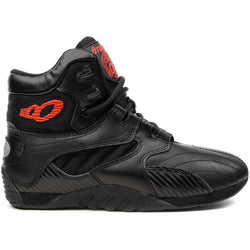
The Stingray Performance Bodybuilding Weightlifting Workout Gym Shoes: The 2026 Elite Performance Guide reveals how specialized materials provide this balance. These shoes offer the "insider" advantage of a high-top frame with the weight of a low-top slipper. Get the support you need. Keep the speed you want. Don't settle for average gear when professional-grade equipment is available right now!
- High-Tops: Maximum mechanical support for heavy, slow lifts and isolation work.
- Low-Tops: Increased mobility for snatches and clean-and-jerks.
- The Lockdown: Psychological confidence that translates to more weight on the bar.
- Hybrid Tech: Lightweight materials that provide support without the bulk of traditional boots.

Matching Your Footwear to Your Training Style
Stop buying generic gear. Your training style dictates your footwear. If you're chasing mass in bodybuilding, you need extreme stability. If you're a powerlifter, you need specific geometry for the big three. The best shoes for strength training aren't found in the all-purpose aisle of a big-box store. Cross-Trainers are a jack-of-all-trades but a master of none. They're too mushy for a heavy squat and too thick for a deadlift. Professional athletes don't compromise. You shouldn't either!
Bodybuilders prioritize the mind-muscle connection. This requires a shoe that stays out of the way while providing a locked-in feel. You need to feel the fibers firing without worrying about your foot sliding inside a mesh upper. Powerlifters have different needs. They require rigid heels for squats to maintain a vertical torso and flat soles for deadlifts to maximize leverage. Versatility is a myth when you're moving hundreds of pounds. You need specialized tools for specialized results. If you want to dominate the gym, you need to dress for the specific war you're fighting!
The Deadlift Standard
Every millimeter counts when you're pulling from the floor. Being close to the floor is a massive mechanical advantage. A standard 1-inch running shoe sole effectively turns every deadlift into a deficit pull; it forces your body to move the bar through a larger range of motion than necessary. This extra distance is where PRs go to die! Flat soles like those on the Stingray Performance allow for a wider sumo or a tighter conventional stance without your feet sliding. Get as close to the floor as possible!
Squat Support and Depth
Heel height is a game-changer for squat depth. A raised, rigid heel assists lifters who struggle with ankle mobility. It lets you sit deeper into the hole without your lower back rounding. This is the difference between a half-rep and a deep, muscle-building squat. However, many elite bodybuilders prefer the thin, flat feel of the Ultimate Trainer to keep their center of gravity low and their balance perfect. It's about finding the balance between mobility and a rock-solid base that never compresses.
Don't let your gear hold you back. If your gym bag is full of generic sneakers, you're leaving gains on the table. It's time to upgrade your performance foundation. Shop the professional-grade strength collection now and feel the difference of a shoe built specifically for the iron! Demand more from your footwear. Unlock your true potential today!
- Bodybuilding: Focus on high-top stability and mind-muscle connection.
- Powerlifting: Use flat soles for deadlifts and rigid platforms for squats.
- General Strength: Seek out thin-soled all-rounders that offer lateral support.
- The Cross-Trainer Trap: Avoid mushy soles that absorb your power and cause instability.
Why Otomix is the Gold Standard for Strength Athletes
Success leaves clues. Professional bodybuilders and elite lifters have trusted Otomix since 1989. We don't build shoes for the track or the court. We engineer tools for the iron. Every stitch and every sole is designed for the specific, brutal demands of the gym floor. You're looking for the best shoes for strength training because you're tired of average results. Otomix is the definitive source for serious practitioners who demand peak performance. Join the elite!
The Stingray Performance and Ultimate Trainer models represent the perfect balance of thin soles and total ankle lockdown. They provide the "insider" advantage you need to push past plateaus. When the weight gets dangerous, you need the Extreme Trainer. It offers maximum support for the heaviest sets on your schedule. Don't settle for a brand that treats weightlifting as an afterthought. Choose the legacy brand that lives in the gym. Demand the best!
The Stingray Performance Difference
Lightweight speed meets heavyweight stability. The Stingray Performance features an ultra-lightweight design that doesn't sacrifice structural integrity. You get a thin sole for that essential "barefoot" feel. However, you also get a professional grip that locks you to the platform. It's the top choice for competitive bodybuilders in 2026. Feel the floor. Own the lift. Dominate the stage. This model is built for those who value precision and power in every rep!
Built to Last: Professional Grade Durability
Your gear shouldn't quit before you do. We use professional-grade materials that withstand the intense friction of heavy lifting and explosive cardio bursts. These shoes are built for abuse. They feature high-impact aesthetics that match your intensity in the rack. Stop wasting money on sneakers that fall apart after three months of leg days. Invest in durability that lasts through years of heavy training. You're a professional; wear the gear that proves it!
Crush your next session—Shop the Otomix Strength Collection now!
- Legacy of Excellence: Trusted by world-class pros since 1989.
- Gym-Specific Engineering: Zero compromise for track or court use.
- Elite Materials: Built to survive years of heavy abuse and high-intensity sets.
- Specialized Support: From the barefoot feel of the Stingray to the lockdown of the Extreme Trainer.
- High-Impact Style: Bold designs that look as powerful as they perform.
The choice is clear. You can keep fighting your footwear, or you can let your footwear help you fight the weight. Upgrade your foundation today. Get the best shoes for strength training and leave the excuses behind. Your next PR is waiting!
Own the Platform and Claim Your Gains
Stop letting your footwear dictate your limits. You now know why squishy midsoles are progress killers and how ultra-thin soles maximize your leverage. Professional-grade stability isn't a luxury; it's the foundation of every heavy set you'll ever perform. Don't waste another session in gear designed for the pavement. Finding the best shoes for strength training means choosing equipment engineered for maximum ankle support and superior floor contact. It's about protecting your joints while unlocking raw power transfer from the floor to the bar!
Otomix remains the definitive choice for those who live in the gym. We've been trusted by pro bodybuilders since 1989 because our gear survives the heaviest abuse. Whether you're pulling a deadlift PR or grinding through high-volume squats, you need a platform that refuses to compress. It's time to stop compromising and start dominating. Demand more from your equipment. Your progress depends on it!
Upgrade to Professional Strength Shoes Today!
Step into the rack with total confidence. Your next PR is waiting. Let's get to work!
Frequently Asked Questions
Can I use basketball shoes for strength training?
Stop right there! Basketball shoes are built for impact absorption and court pivots; they are not the best shoes for strength training. Their squishy midsoles cause massive power leakage during heavy sets. You need a rock-solid platform that doesn't compress under a five hundred pound load. Stick to specialized gear like the Ultimate Trainer for real stability!
Why are flat shoes better for deadlifting?
Flat shoes give you an immediate mechanical advantage by reducing the distance the bar travels. Every millimeter counts when you're pulling a PR! Thin soles like those on the Stingray Performance keep your center of gravity low and your balance perfect. Don't pull from a deficit caused by thick running shoe heels. Get flat and stay close to the floor!
Do I really need different shoes for squats and deadlifts?
You don't always need two pairs if you invest in a versatile hybrid. However, specialized shoes provide specific edges. A rigid heel helps with squat depth while a flat sole maximizes deadlift leverage. Professional athletes often use the Stingray Performance as a do-it-all weapon. It handles the squat rack and the deadlift platform with equal dominance!
Are high-top shoes better for ankle support during lifts?
Absolutely! High-top shoes like the Extreme Trainer provide a physical sleeve that prevents the ankle from rolling during heavy loads. This mechanical support is vital for lifters with previous injuries or those performing high-intensity isolation work. Beyond the physical benefit, the lockdown sensation provides a massive psychological edge. Feel secure and lift heavier!
How should strength training shoes fit?
Fit should be snug but never restrictive. You need a total lockdown that prevents your foot from sliding inside the shoe during lateral movements. Ensure your toes have enough room to splay naturally; this creates a wider base of support. If your foot is wobbling, your gear is failing. Demand a precise, professional fit for maximum control!
Can I wear my lifting shoes for cardio or running?
Never! Lifting shoes are engineered for non-compression and floor contact. Running in them is a recipe for joint pain and will destroy the specialized outsoles. Keep your strength shoes in the gym where they belong. Use the Stingray Performance for the iron and buy separate runners for the pavement. Protect your investment and your knees!
How long do professional strength shoes typically last?
Professional grade gear is built for years of heavy abuse. Unlike running shoes that lose their cushion in months, specialized trainers like the Ultimate Trainer maintain their structural integrity because they don't face repetitive impact. With proper care and indoor-only use, a high-quality pair can easily last through several years of intense training. Invest in quality that survives the grind!
What is the best shoe for a beginner starting a strength program?
Start with the Stingray Performance! It is widely considered the best shoes for strength training for beginners because of its versatility and barefoot feel. It provides the necessary ankle support for squats and the flat sole required for deadlifts. Don't waste money on generic sneakers. Build your foundation on professional gear from day one and avoid injury!


