

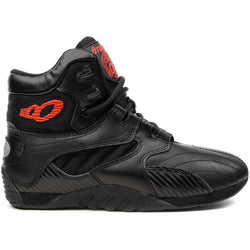
How to Clean Weightlifting Shoes: Elite Maintenance for High Top Gym Shoes
Your high-top weightlifting shoes are precision-engineered weapons, not a pair of beat-up beaters you can just toss in the wash! You bought that elite ankle support and specialized grip to dominate the platform. Don't let chalk buildup and a lethal gym bag stench sabotage your performance. If you're wondering how to clean weightlifting shoes without destroying the structural integrity of your Stingray Performance or Extreme Trainers, you need a professional-grade strategy right now!
We know the struggle. You want that factory-fresh smell and restored sole traction, but you're terrified of ruining the expensive adhesives that keep you stable under a heavy load. It's a valid fear. Industry leaders like Nike and Adidas officially recommend against machine washing because it kills the lifespan of your footwear. You've got to protect your investment!
This guide delivers the ultimate maintenance blueprint for serious lifters. You'll learn the exact hand-washing protocols to strip away grime while maintaining maximum ankle stability. We're covering everything from material-specific cleaning hacks to the golden rules of air drying. Get ready to restore your grip and keep your shoes in the fight for years!
Key Takeaways
- Stop slipping on the platform! Learn how grime destroys sole traction and the professional methods to restore elite-level grip for your heaviest sets.
- Master the exact protocols for how to clean weightlifting shoes without damaging the specialized high-top support or compromising structural integrity.
- Protect your investment with material-specific care. Get the blueprint for cleaning Stingray Performance synthetic blends and conditioning Ultimate Trainer leather uppers.
- Avoid the "car trunk" death trap! Discover why extreme heat kills specialized adhesives instantly and why rotating your footwear is non-negotiable for serious athletes.
- Follow our rapid-fire deep cleaning checklist. Start with dry-brushing to strip away chalk and sweat before they can break down your performance gear.
Why Cleaning Your Weightlifting Shoes is Critical for Peak Performance
Dirty shoes aren't just an eyesore. They're a performance killer! Your Weightlifting shoes are precision-engineered weapons designed for maximum power transfer. If you're ignoring the grime, you're leaving kilos on the platform. Sweat and chalk are silent enemies. They penetrate the specialized synthetic blends of your Stingray Performance models and eat the adhesives from the inside out. Mastering how to clean weightlifting shoes properly is the difference between a gear failure and a lifetime PR. Don't let neglect sabotage your heavy sets!
The Danger of the 'Gym Smell' Bacteria
That foul stench in your gym bag is a warning sign. It's bacteria literally devouring your gear! Sweat trapped in high-top gym shoes creates a toxic breeding ground. These microbes don't just smell; they break down the inner lining and weaken the specialized materials that provide your critical ankle stability. A compromised lining leads to internal foot slip. This ruins your focus when the weight gets heavy. Don't let a preventable microbial breakout or a collapsed heel ruin your training cycle. Keep it clean. Keep it elite!
Grip and Floor Traction: Clean Soles Save Lives
Dust and chalk buildup turn your high-performance soles into ice skates. You need a rock-solid connection to the floor for heavy squats and explosive cleans. When grime fills the micro-textures of your soles, you lose the thin-sole advantage that brands like Otomix provide. Maintain the base to ensure total safety.
- Maximum Friction: Clean rubber bites into the platform for zero slip.
- Lateral Stability: No more micro-slips during the drive phase of your lift.
- Structural Integrity: Removing chalk prevents the rubber from drying out and cracking.
Maintain the base! A pristine sole ensures every ounce of force goes into the bar, not into keeping your feet from sliding out. Your Extreme Trainer series is built for maximum durability, but only if you strip away the debris that compromises its grip. Stay locked in and stay focused on the weight!
Material-Specific Cleaning: Protecting Your Performance Gear
Don't treat your elite trainers like a pair of cheap socks! High-performance gear requires specialized attention to maintain its structural integrity. If you want to know how to clean weightlifting shoes without ruining the high-top support, you must respect the materials. Stingray Performance models utilize a technical blend of synthetics and leather that demands a delicate balance of moisture and scrubbing. One wrong move with harsh chemicals can dissolve the very adhesives keeping you stable during a heavy snatch. You've got to be precise!
Caring for Synthetic and Microfiber Blends
Chalk is the enemy of synthetic fabrics. Use a soft-bristled brush to knock off dry debris before you even think about adding water. Once the loose dust is gone, mix a small amount of mild soap with lukewarm water for a gentle surface clean. Microfiber is the preferred choice for elite lifting shoes because it offers superior durability while remaining lightweight and breathable. Follow the industry standards for proper care and maintenance by avoiding industrial solvents. These chemicals strip the fibers and leave your shoes brittle. Stay away from bleach!
Leather Maintenance for Heavyweight Trainers
Leather uppers in the Ultimate Trainer series are built for war, but salt from your sweat is a constant threat. Wipe down leather sections immediately after every session. This prevents salt buildup from drying out the hide. Apply a high-quality leather conditioner every few months to keep the support supple and prevent cracking. When your gear stays flexible, your performance stays explosive. If your current pair is beyond saving, it might be time to upgrade to a fresh set of bodybuilding gym shoes designed for the ultimate lift.
Stop the heat damage! Never, under any circumstances, use a tumble dryer or direct heat source. High temperatures kill the glue instantly. This leads to sole separation and total gear failure. Always air dry your shoes in a well-ventilated area. Your Extreme Trainer series is built for maximum durability under heavy loads, but it won't survive a cycle in the dryer. Protect the bond. Protect your lift!
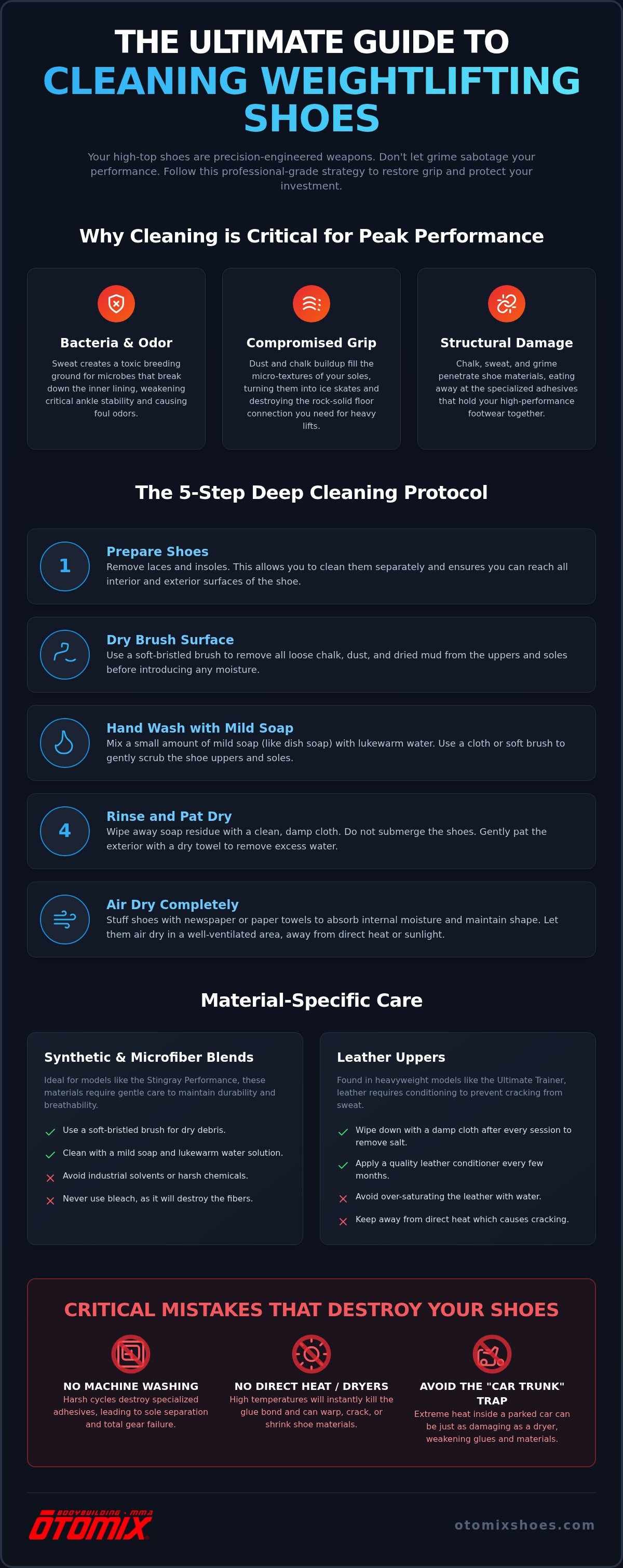
The Step-by-Step Guide to Deep Cleaning High Top Gym Shoes
Forget the "cold cycle" myths you see online. Machine washing is a death sentence for your gear! It destroys the internal stiffeners that provide elite ankle support. If you want to master how to clean weightlifting shoes, you must do the work by hand. Start by stripping the shoes. Remove the laces and insoles immediately. These need a separate deep soak in warm, soapy water to kill embedded bacteria. Don't skip this step!
Next, grab a stiff dry brush. Scour the entire shoe to knock off loose debris and caked-on gym chalk. This prevents you from rubbing grit deeper into the fabric during the wet phase. Once the surface is clear, use a microfiber cloth and a specialized cleaner to hand-wash the exterior. This is the elite standard for how to clean weightlifting shoes for maximum longevity. Scrub in small circles. Focus on high-stress areas like the heel and ankle strap. Finally, stuff the shoes tightly with paper towels. This is critical! It maintains the high-top shape while air drying. It pulls moisture from the inside while keeping the support structure rigid.
Deodorizing Without Damaging the Footwear
Stop masking the stench with cheap chemical sprays. These often irritate your skin during heavy, intense sets. Use activated charcoal bags or cedar inserts instead. These pull moisture out overnight. They neutralize odors at the source. It's a professional solution for a serious athlete. Keep your gear fresh. Keep your focus sharp!
Sole Restoration for Maximum Floor Grip
Slipping is a liability. Clean your soles with a stiff brush and a tiny amount of rubbing alcohol. This strips away oils and fine dust instantly. You must ensure zero soap residue remains on the bottom. Even a tiny film of soap turns the platform into an ice rink! For the absolute best floor feel, check out the Stingray Performance Bodybuilding Weightlifting Workout Gym Shoes. This model sets the standard for traction. If your current grip is failing, upgrade your weightlifting footwear now!
Pro-Level Maintenance: Ensuring Your Gear Lasts for Years
You've mastered how to clean weightlifting shoes like a professional, but cleaning is only half the battle. Maintenance is a daily discipline for the elite athlete. If you treat your gear like an afterthought, it will fail you mid-set. Check your straps and eyelets weekly for signs of wear and tear. Look for fraying or loose stitching. Catching a small tear now prevents a catastrophic failure during a heavy clean. Stay ahead of the damage!
Stop killing your shoes in the parking lot! Never leave your trainers in a hot car. High temperatures are the number one cause of sole separation. Extreme heat liquefies the specialized adhesives used in high-performance footwear. It doesn't matter how well you know how to clean weightlifting shoes if the sole peels off because you left them in a 120-degree trunk. Take them inside immediately after your session.
If you train daily, you must rotate your footwear. Give your materials time to decompress. Constant compression from heavy squats and leg presses crushes the internal support structures. Alternating between pairs ensures the cushioning and high-top support remain rigid and responsive. It's a small strategic move for a massive increase in gear lifespan.
Storage Strategies for Serious Athletes
Ditch the sealed plastic compartments! Trapped moisture is a death sentence for fabric integrity. Use a breathable mesh bag to allow constant airflow. Store your trainers in a cool, dry place away from direct sunlight. UV rays don't just fade the color. They break down the synthetic fibers and make the material brittle. Keep them in the shade to keep them in the game!
When to Retire Your Lifting Shoes
Safety is more important than sentiment! Recognize when the internal support is gone. Look for heel compression or strap failure as definitive signs that it's time for an upgrade. A collapsed heel ruins your alignment and invites injury. Don't risk your joints on worn-out gear. Invest in quality from the start with weight lifting shoes built for the grind.
Protect Your Performance: Master Your Maintenance Today
Don't let a preventable gear failure stop your next PR! You now have the professional blueprint for how to clean weightlifting shoes without sacrificing that critical high-top support. From stripping away performance-killing bacteria to restoring the lethal grip on your soles; these steps ensure your trainers stay as intense as your training sessions. Remember: hand-wash only, air dry always, and never let heat touch your adhesives.
Your gear is an investment in your physical excellence. If your current trainers are losing their edge or the internal support has finally collapsed; it's time to step up. Professional bodybuilders have trusted Otomix since 1989 for a reason. Experience the elite support required for heavy squats and the specialized thin-sole technology designed for record-breaking deadlifts.
Upgrade to Professional-Grade Otomix Shoes Now!
Stay focused. Stay clean. Dominate the platform!
Frequently Asked Questions
Can I wash my weightlifting shoes in the washing machine?
Never put your trainers in a washing machine! The aggressive agitation and high temperatures destroy the specialized adhesives and internal stiffeners required for elite ankle stability. Hand-washing is the only professional standard for how to clean weightlifting shoes. Protect your investment and stick to manual scrubbing to keep your gear platform-ready and structurally sound for every heavy lift!
How often should I clean my gym shoes if I train 5 days a week?
Perform a surface wipe-down after every single session if you're hitting the gym five days a week. Use a damp microfiber cloth to strip away sweat and salt immediately. For a full deep clean, aim for once every four weeks. This consistent maintenance prevents bacteria from compromising the specialized synthetic blends in models like the Stingray Performance. Don't let neglect kill your gear!
What is the best way to get the smell out of high-top lifting shoes?
Use activated charcoal bags or cedar inserts to pull moisture and odor out of high-top shoes overnight. High-tops trap significantly more heat and sweat than low-cut sneakers; creating a prime target for microbes. Avoid cheap chemical sprays that only mask the stench. Professional athletes use moisture-wicking inserts to keep their gear fresh and functional for every intense, heavy set!
Is it safe to use baking soda to deodorize leather weightlifting shoes?
It is safe to use baking soda inside the shoe, but keep it off the exterior leather! Baking soda can dry out natural hides and cause premature cracking on models like the Ultimate Trainer. Sprinkle a small amount inside to neutralize odors, let it sit overnight, and vacuum it out thoroughly. For the leather uppers, stick to professional conditioners to maintain that supple, elite support!
How do I clean gym chalk off my black lifting shoes without leaving streaks?
Use a stiff dry brush to knock off 100% of the loose chalk before adding any moisture! Adding water to dry chalk creates a white paste that leaves permanent streaks on black materials. Once the dust is gone, use a damp microfiber cloth with a drop of mild soap to finish the job. This is the elite method for how to clean weightlifting shoes while keeping that aggressive black aesthetic sharp!


