

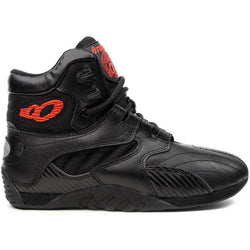
Shoes for Bulking Season: Find Stable Support for Lifting
Running shoes can work for gym training, but they aren’t automatically the best choice for lifting. The best shoes for bulking season should feel stable under load, with cushioning and flexibility suited to your workouts. For gym use, a running shoe with a heel stack of 35 mm or less is a practical option to consider.
It makes sense to reach for the shoes you already use for runs, especially if your sessions mix cardio and weights. But a soft, elevated sole can feel less steady during heavy lifts, while a flat, supportive base can help you stay planted. This guide explains when running shoes make sense and how stability, cushioning, flexibility, stack height, and toe-box fit affect your choice. Use these factors to match your shoes to your training, whether you’re lifting, moving laterally, or adding short runs to your workout.
Key Takeaways
- Running shoes can suit mixed gym sessions, but a raised, soft sole may feel less stable during heavy lifts.
- Match outsole grip, support, cushioning, and flexibility to the movements in your workout.
- Consider heel stack and midsole feel together; extra cushioning isn’t always an advantage under load.
- Look for a stable base and enough toe-box room for your toes to spread naturally when you brace.
1. Can you use running shoes for gym training?
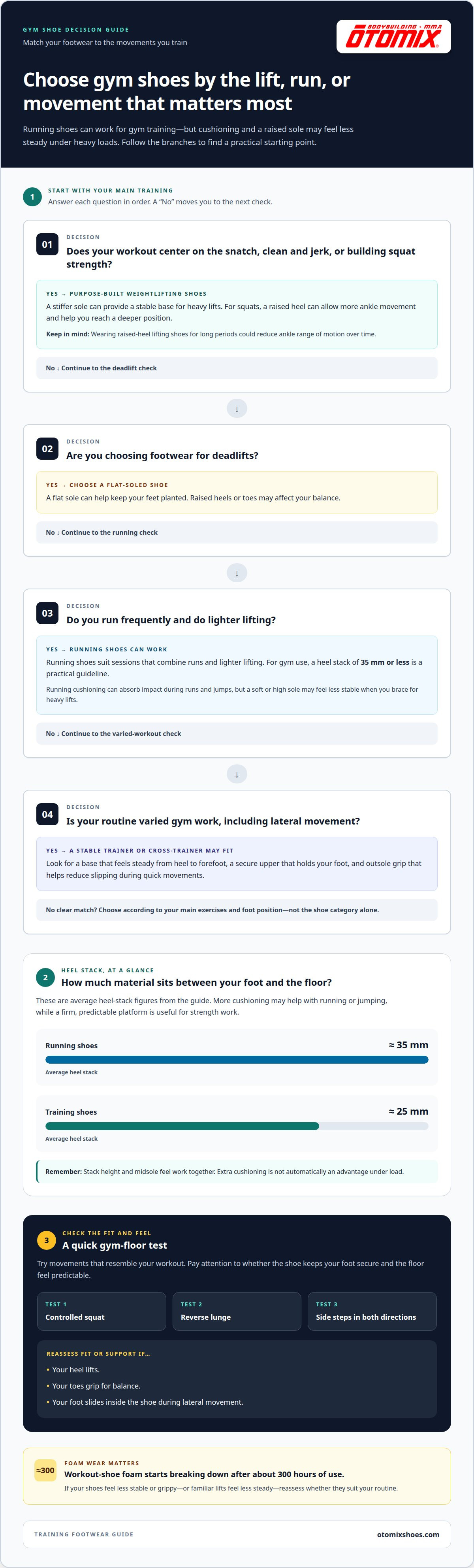
Yes, running shoes can work for gym training, especially when a session combines lifting and cardio. For heavy weightlifting, though, a soft or high sole may feel less stable as you brace and push against the floor. A running shoe heel stack of 35 mm or less is a practical guideline for gym use. Average heel stack is around 35 mm for running shoes and 25 mm for training shoes.
For squats, weightlifting shoes with raised heels can help you reach a deeper position by allowing more ankle movement. Their stiffer soles can also provide a stable base during heavy lifts. For deadlifts, a flat-soled shoe can help keep your feet planted; raised heels or toes may affect your balance. Choose according to the lift and your foot position, not the shoe category alone.
Running shoes aren’t ideal for every lifting session. Cushioning designed for running can compress under load, making it harder to feel firmly planted. If your workout centers on the snatch, clean and jerk, or building squat strength, purpose-built weightlifting shoes may suit the work better. If those lifts aren’t part of your fitness goals, a cross-trainer may be a practical choice. Wearing raised-heel lifting shoes for long periods could also reduce ankle range of motion over time.
For lifting and cardio during a bulk, choose according to your sessions: a stable trainer for varied gym work, or running shoes for frequent runs and lighter lifting. The best shoes for bulking season are the ones that help you move securely through your main exercises.
There’s no single U.S. price for weightlifting shoes: cost varies by model and retailer. When comparing options, focus on a stable base and secure fit rather than paying for features your lifts don’t require. Otomix offers Stingray Performance Bodybuilding Weightlifting Workout Gym Shoes, Ultimate Trainer Bodybuilding Weightlifting Workout Gym Shoes, and Extreme Trainer.
To track a bulk, record your body weight and waist measurements consistently, then compare the trends with your training log. Lifting shoes can support a stable squat position, but they don’t guarantee better performance or prevent injury; technique, load, and fit also matter.
2. Shoe stability, support, cushioning, and flexibility
Test stability with the movements your workout actually includes. During a lateral lunge, your foot should stay planted rather than slide inside the shoe. A secure upper helps hold your foot in place as you change direction. Good outsole grip can help reduce slipping on gym floors, especially during quick movements. If your foot shifts during side steps or the outsole loses traction, the shoe may not suit those exercises.
Support should feel controlled, not restrictive. Try a bodyweight squat, then a side shuffle, and notice whether your foot feels secure through both motions. A rigid, narrow shoe can restrict comfortable movement, while an overly soft platform may feel unstable under load. For lateral exercises, look for a base that feels steady from heel to forefoot. Runners have different needs: forward motion and repeated impact call for cushioning that absorbs shock during runs and jumps.
Cushioning and energy return aren’t the same as stability. Soft foam can make running and jumping more comfortable by absorbing impact, but excessive compression may make the floor feel less predictable during strength work. A responsive feel can help with dynamic exercises, but it shouldn’t come at the expense of secure footing. Match the balance to your training: more impact absorption for cardio, firmer support for controlled lifting, and reliable grip for lateral drills.
Use a simple gym-floor test before committing to a shoe. Perform a controlled squat, a reverse lunge, and side steps in both directions. Check whether your heel lifts, your toes grip for balance, or your foot slides inside during lateral motion. Each is a practical sign to reassess fit or support. Cushioning foam also wears with use; most workout-shoe foam starts breaking down after about 300 hours. If your shoes feel less stable or grippy, consider a purpose-built option for your routine, such as stable footwear for lifting.
3. Stack height and cushioning considerations
Stack height is the thickness of material between your foot and the floor. A higher stack can feel more cushioned during running or jumping, but lifting calls for a different response. Under a squat or press, excessive softness may compress as you shift your weight, making your base feel less stable. Match the platform to the workout: prioritize a firm, predictable feel for strength work and impact absorption for repeated jumps or runs.
Midsole softness offers another useful comparison. Midsole softness can be described in broad terms, from plush to balanced. Plush cushioning can feel comfortable during impact-heavy exercise, but comfort alone doesn’t make a shoe suitable for lifting. A balanced midsole may offer a middle ground for workouts that combine movement and weights. Treat these ranges as a way to describe softness, not a guarantee of performance.
Try shoes during movements that resemble your session. Do a controlled bodyweight squat, rise onto your toes, and shift your weight from side to side. Notice whether the midsole compresses heavily or feels steady underfoot. If your workout includes deadlifts and short runs, assess both your planted position and the transition into running. The best match lets you move comfortably without sacrificing a stable base during lifts.
Don’t choose cushioning by appearance alone. Shoes with similar-looking midsoles can feel different once you stand, bend, and move in them. Check how the heel and forefoot respond: a raised heel can change your lifting position, while softness under the forefoot affects how firmly you push against the floor. If your routine includes varied workouts, prioritize a controlled feel during the exercises you do most. Reassess as cushioning wears, especially if familiar lifts start to feel less steady.
4. Wide-foot fit and toe-box room
A wide toe box gives your toes room to spread as you brace for strength exercises. That natural splay can help create a stable base for squats and deadlifts. A flat, stable sole with room in the toe box can support balance without squeezing the forefoot. For agility drills, make sure the shoe still holds your foot securely during side steps.
Check the fit while standing, not just sitting. Leave about ½ inch (13mm) between your big toe and the shoe’s tip. Then bend your knees into a squat and shift your weight from side to side. Your toes should have room to move, while your heel stays secure. If the forefoot feels pinched or your foot slides inside, the fit may not suit your routine.
Try shoes toward the end of the day. Feet can swell during the day and expand during exercise, so an early fitting may not reflect how the shoe feels during a later workout. Wear your usual workout socks and bring any orthotics you use. Test the shoes with movements from your training, such as a squat, lunge, and lateral step. Comfort should feel immediate; don’t count on the shoe stretching into a better fit.
Revisit your fit periodically. Foot size can change with age, so a shoe fitting every year can help catch changes before they affect comfort or balance. A shoe that once felt secure may become cramped or allow unwanted movement. Judge it by how your toes spread, how your heel sits, and whether your foot stays steady through each exercise. For a lifting-focused routine, explore gym shoes for weight training and prioritize a comfortable fit with a stable base.
Otomix: Stingray Performance Bodybuilding Weightlifting Workout Gym Shoes
Stingray Performance Bodybuilding Weightlifting Workout Gym Shoes from Otomix are a natural option when your routine centers on bodybuilding, weightlifting, and gym workouts. Choose footwear based on the movements you train most, a secure fit, and the support you want under load. Otomix also offers Ultimate Trainer Bodybuilding Weightlifting Workout Gym Shoes and Extreme Trainer for dedicated gym training.
Use your priorities from the earlier sections to guide your choice: consider your lifting style, sole stability, cushioning preference, and toe-box comfort. The right option suits your training demands and feels comfortable during the movements you perform.
Contact Otomix to discuss its gym footwear options.
Put Your Next Training Block on Solid Ground
Your shoes should support the work you plan to repeat, not just look right on day one. Before your next training block, identify the lifts and movements that matter most. Notice how your feet feel during those exercises, then use that feedback to guide your footwear choice. Shoes that suit your routine can help you focus on training instead of adjusting your stance or managing avoidable discomfort.
Choosing the best shoes for bulking season comes down to matching fit and feel to your workouts. Otomix offers Stingray Performance Bodybuilding Weightlifting Workout Gym Shoes, Ultimate Trainer Bodybuilding Weightlifting Workout Gym Shoes, and Extreme Trainer. Compare these options against your lifting priorities and choose the pair that fits your training.
Explore Otomix footwear and choose your next training shoe. Build your training routine with confidence, one solid session at a time.
Frequently Asked Questions
Should you wear different shoes for different types of workouts?
Yes, if your routine shifts between activities with different demands. Someone combining steady running, heavy barbell work, and court-style agility drills may value different levels of cushioning and support across sessions. If changing shoes isn’t practical, prioritize the activity that takes up the largest part of your training, then make sure the shoe remains comfortable for the other movements.
What shoes are best for weightlifting during a bulking season?
Choose shoes designed for gym training that feel secure during your main lifts and suit your foot shape. Your training split matters: a routine built around barbell squats differs from one with more machines and cardio. If you spend most of a session lifting, prioritize a steady feel under load over running comfort. Otomix offers bodybuilding and weightlifting gym shoes for this type of training.
Which shoes provide the best stability for heavy compound lifts?
A firm, supportive sole and a secure fit are a strong starting point for compound lifts. Test shoes during warm-up sets before loading the bar: notice foot movement, pressure points, and whether your stance feels consistent through the full repetition. A shoe that shifts or distracts you during an unloaded squat may feel even less dependable as the load increases.
What features should I look for in shoes for bulking and strength training?
Focus on a secure fit, dependable outsole traction, and a sole that feels controlled during your main exercises. Consider your full training week rather than shopping for one movement alone. A program with lateral drills, for example, calls for confidence during side-to-side motion, while a routine centered on machines may place less demand on foot stability. Comfort through repeated sessions matters too.
Are running shoes safe for heavy weightlifting?
Running shoes can be worn in the gym, but highly cushioned or elevated designs may feel less steady under heavy loads. Before using them for working sets, test your stance with a light warm-up and notice whether the sole compresses or your foot moves inside the shoe. If either distracts you, choose footwear that feels more secure for lifting.
How should weightlifting shoes fit, and how do I choose the right size?
Weightlifting shoes should feel secure through the heel and midfoot without pinching your toes. Try them with your training socks and use movements such as a squat and lunge to reveal pressure or slipping. Don’t rely on a shoe feeling comfortable while sitting still. If one foot feels tighter, let that foot guide your size choice.


