

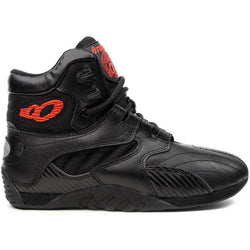
Common Lifting Gear Mistakes to Avoid: Train Smarter in 2026
One of the common lifting gear mistakes to avoid can happen before you even touch the bar: choosing shoes that don’t suit your lifts. A poor fit, loose fastening, or visible wear can also distract from your session. Search results can add confusion by mixing gym training gear with industrial rigging equipment, which serves a different purpose.
The right footwear and setup depend on the movements in your workout, your training environment, and how your gear fits and feels. A choice that suits one lifter or session may not suit another. Instead of choosing by appearance alone, use a few practical checks to assess what you plan to wear and use.
This guide covers how to spot fit and wear issues, match footwear to your workout, and check your setup before lifting. Otomix specializes in bodybuilding, weightlifting, and gym footwear, with models including Stingray Performance, Ultimate Trainer, and Extreme Trainer. Start with the gear you rely on, then make your next choice based on your training needs.
Key Takeaways
- Here, “lifting gear” means gym training gear, not industrial rigging. Common mistakes include mismatched footwear and skipping a pre-session equipment check.
- Choose training shoes by considering fit, secure fastening, how the sole feels, and the movements in your workout, not appearance alone.
- Before training, check for wear, fit issues, loose fastenings, and problems with your equipment setup.
- Compare footwear options with your training needs and the product information. Otomix models include Stingray Performance, Ultimate Trainer, and Extreme Trainer.
Common Gym Lifting Gear Mistakes: Know What This Guide Covers
Here, “lifting gear” means footwear and gym equipment used during strength training. Gym gear supports a training session; industrial lifting equipment is used to move or secure loads at work. These are different categories with different purposes. This guide focuses on footwear and gym equipment, not workplace rigging.
Common lifting gear mistakes to avoid include choosing footwear that doesn’t suit your planned movements, wearing shoes or equipment that fit poorly, overlooking visible wear, and skipping a pre-session check. Each can distract you when your attention should be on controlled movement and a properly prepared training area.
See how lifting accessories and equipment fit into a training setup:
What counts as lifting gear in a gym?
Think of gym lifting gear in two groups. Training footwear is what you wear; equipment includes items such as barbells, racks, and accessories used for strength exercises. Check each item for its role in your session rather than treating all gear as interchangeable. The broader Weightlifting on Wikipedia overview offers context on the sport and its forms, but your equipment choices should match your own training.
Why do small gear mistakes matter?
A shoe that feels loose, a fit that causes pressure, or equipment that needs attention can pull focus from a controlled set. Footwear alone can’t prevent injury or guarantee better performance, but it’s worth choosing with your movements and training environment in mind. Follow the manufacturer’s care and use instructions, and don’t ignore visible wear.
Keep your checks practical. Match your footwear to the planned workout, inspect your shoes separately from your barbell and accessories, and review the equipment before your first set. Otomix’s Stingray Performance, Ultimate Trainer, and Extreme Trainer are options to compare when considering gym footwear.
Choosing Lifting Shoes: Avoid the Wrong Fit and Training Match
A shoe can look right and feel comfortable for everyday wear but still feel distracting under a bar. Appearance and casual comfort don’t tell you whether the fit stays secure or the sole feels suitable for your planned movements. Treat footwear as part of your training setup, not an afterthought. Common lifting gear mistakes to avoid include choosing by style alone and assuming one pair suits every session.
Start with the workout. A session built around controlled, standing lifts has different movement demands from one that combines strength work with varied gym exercises. Lifting-focused footwear and general-purpose gym shoes aren’t automatically interchangeable, and neither category is right for everyone. Consider fit, fastening, sole feel, the exercises you’ll perform, and the training environment.
How should lifting shoes fit?
A suitable fit should feel secure and comfortable, without pressure or movement that distracts you. Fasten the shoes as intended, then check how they feel while standing and moving through the positions your workout requires. Pressure, slipping, or discomfort are reasons to reassess the fit. Follow the specific model’s published sizing guidance rather than relying on assumptions about size.
When does footwear need to match the lift?
For lifts performed mainly while standing, pay attention to how the shoe feels underfoot as you set your position. For sessions with varied movements, consider whether the same footwear remains comfortable and appropriate throughout. Use the weightlifting shoes guide to explore footwear considerations in more depth.
| Consider | Ask yourself |
|---|---|
| Fit | Does the shoe feel secure without pressure or slipping? |
| Fastening | Can I fasten it securely and comfortably? |
| Sole feel | Does it feel suitable for the movements planned? |
| Intended use | Am I choosing for focused lifts or a varied gym session? |
Base your decision on the training you actually do, then compare purpose-specific options such as Otomix gym and weightlifting footwear, including Stingray Performance, Ultimate Trainer, and Extreme Trainer.
Pre-Workout Lifting Gear Checks: Catch Wear, Fit, and Setup Problems
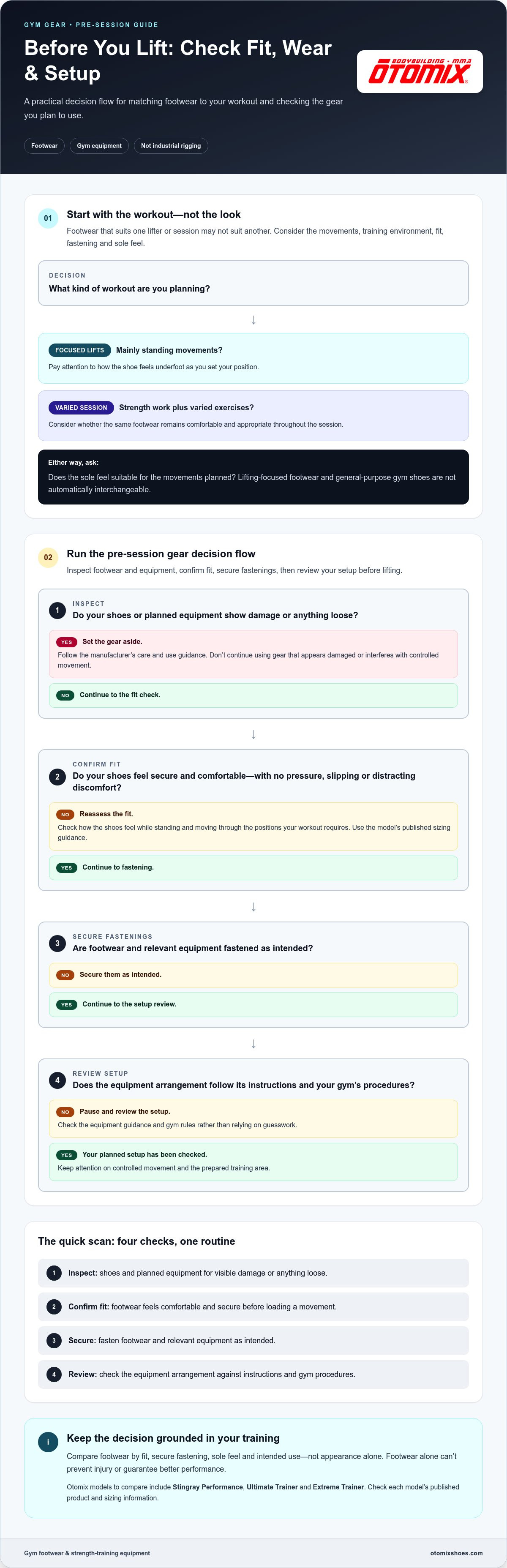
A quick check before your first set can catch problems that are easy to overlook once you’re focused on your workout. Use the same sequence each session, and follow the manufacturer’s instructions for care and use.
A pre-session gear check means inspecting your footwear and equipment, confirming fit, securing fastenings, and reviewing your setup before you lift.
What should you inspect before a lifting session?
Start with your footwear. Look for visible damage or loose components, then check whether the fit feels different from usual. Inspect gym equipment according to its instructions and your facility’s procedures. Before using barbells, racks, and accessories, make sure the setup follows the equipment guidance and gym rules rather than relying on guesswork.
- Inspect: Look over your shoes and planned equipment for visible damage or anything loose.
- Confirm fit: Check that your footwear feels comfortable and secure before loading a movement.
- Secure fastenings: Fasten footwear and any relevant equipment as intended.
- Review the setup: Make sure the planned equipment arrangement follows its instructions and your gym’s procedures.
What should you do with worn or uncomfortable gear?
Don’t continue using gear that appears damaged or interferes with controlled movement. Set it aside and follow the manufacturer’s care and use guidance. If your shoes need routine cleaning, the weightlifting shoe cleaning guide offers care-specific guidance. Cleaning won’t address damage, so treat inspection and care as separate steps.
Make this check part of your training routine. It doesn’t replace careful lifting or equipment instructions, but it can help you notice poor fit, visible wear, or a setup issue before the session gets underway. For footwear designed for bodybuilding, weightlifting, and gym workouts, explore Otomix lifting shoes.
Choose Lifting Gear That Fits Your Training: A Practical Next Step
Common lifting gear mistakes to avoid often start with a mismatch: a shoe looks appealing, but its fit or intended use doesn’t suit the workout. Base your choice on the movements you train, how the footwear feels, and its condition. A considered choice supports a prepared session without assuming there’s one right shoe for every lifter.
How do you narrow down footwear options?
Begin with your routine. List the lifts and other gym movements you plan to do, then consider whether you need footwear mainly for focused lifting or a varied workout. Compare each option’s fit and intended use with its product information. Don’t assume a model has a particular sole, support, or stability feature unless its published details say so.
- Training: Identify the movements you want your footwear to suit.
- Fit: Look for a comfortable, secure feel, and reassess pressure or slipping.
- Condition: Consider whether the footwear is in good condition and cared for according to its guidance.
For a closer look at an Otomix footwear model, the Stingray Performance guide provides product-specific information to consider alongside your training needs.
What is a useful next step for serious lifters?
Use the same framework to compare your options. Otomix footwear models include Stingray Performance, Ultimate Trainer, and Extreme Trainer. Review their published information alongside your routine, fit preferences, and the condition of your current gear. This keeps the decision grounded in what you’ll actually wear for training, rather than the model name or appearance alone.
Explore Otomix weightlifting shoes and compare footwear options for your training needs.
Make Your Next Training Choice Count
Let your next footwear decision start with your training plan, not a trend or a quick visual impression. Before your next session, consider the movements you’ll do, whether your footwear feels secure and comfortable, and whether your gear is in good condition. That pause can help you make a more deliberate choice and keep your attention on the workout.
Common lifting gear mistakes to avoid aren’t solved by chasing one universal shoe. They’re avoided by choosing with purpose and paying attention to how your gear fits your routine. Otomix specializes in bodybuilding, weightlifting, and gym footwear, including Stingray Performance, Ultimate Trainer, and Extreme Trainer models.
Ready to compare footwear for your training? Explore Otomix weightlifting shoes and choose an option to suit your needs. Check your gear, then bring focused energy to your session.
Frequently Asked Questions
What are the most common lifting gear mistakes to avoid at the gym?
The most common lifting gear mistakes to avoid include choosing footwear that doesn’t suit your session, overlooking an uncomfortable fit, using visibly damaged gear, and starting a lift without reviewing the setup. For example, a shoe that feels fine during warm-up may feel distracting during another movement. If the next exercise changes the demands on your footwear or equipment, pause and reassess before you begin.
Are regular gym shoes suitable for weightlifting?
Regular gym shoes may suit some workouts, but there’s no single answer for every lifter or lift. Consider the movements in your session, whether the shoes feel secure, and how the sole feels underfoot. A mixed workout may call for different considerations than a session focused on standing lifts. Compare your needs with the footwear’s published intended use and sizing guidance before choosing.
How can I tell if my lifting shoes need replacing?
Look for visible damage, loose components, or a change in fit that causes pressure, slipping, or distraction. Check the manufacturer’s care instructions, but don’t keep wearing shoes that appear damaged or interfere with controlled movement. There’s no universal replacement timeline here, so base your decision on condition, comfort, and the product’s care and use guidance.
Does wearing lifting shoes prevent injuries?
No. Lifting shoes can’t guarantee injury prevention, and footwear alone doesn’t determine how safely a session goes. Pay attention to technique, choose loads you can control, and follow the instructions for the equipment you use. If footwear feels distracting or uncomfortable during a movement, pause and reassess rather than assuming a specialized shoe will solve the problem.
What does “lifting gear” mean in this article?
Here, “lifting gear” means footwear and gym equipment used for strength training, such as shoes, barbells, racks, and relevant accessories. It doesn’t mean industrial rigging equipment used to lift or secure loads in workplace settings. The distinction matters because this article’s footwear and gym setup advice is for training sessions, not instructions for industrial lifting or workplace procedures.


